The Hidden Cost of Waiting One More Season on a Failing Commercial Roof

I got a call from a property manager in Dallas two years ago. He had a 40,000-square-foot TPO roof that was 17 years old. It had leaks. Five active spots, at least. He knew he needed to replace it. He'd gotten quotes. But he had a big tenant renewal coming up and didn't want to disrupt them. So he decided to wait one more year.
"I'll do it next spring," he told me.
I said, "That's going to cost you more than you think."
He did it anyway. Or rather, he didn't do it. He waited.
The next spring, the roof had developed six more leaks. One of them dripped onto a server room. They lost three servers. The tenant had to temporarily relocate staff. The property manager had to give them a rent abatement for the disruption. The replacement quote he'd gotten the year before? It was 12% higher because material prices had gone up.
Total extra cost he paid for waiting one season: about $47,000.
He could have bought a new car with that money. Instead, he paid it to the roof.
The Three Things Owners Tell Themselves
I hear the same justifications every time.
"The weather isn't bad right now. I'll wait until conditions are better."
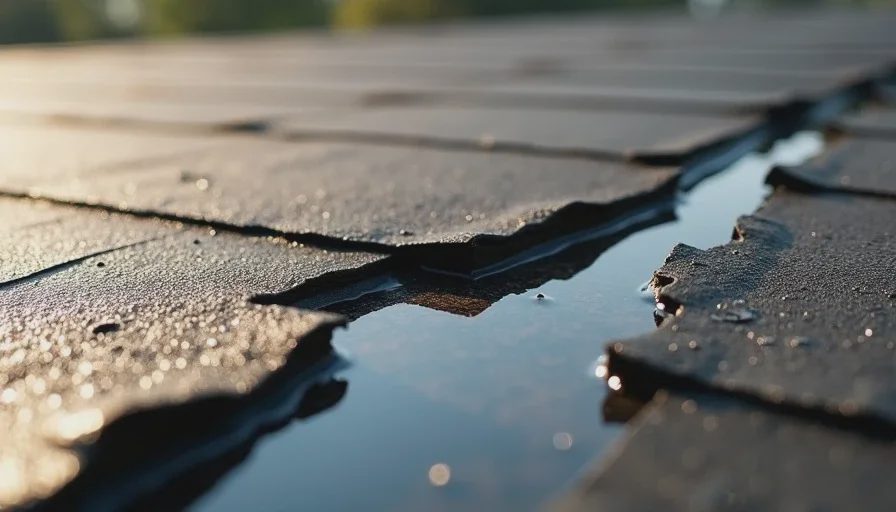
This one is like saying "I'll fix the brakes when the road is smoother." The roof doesn't care about your ideal weather window. It's leaking now. It will keep leaking. And each rain will do more damage, whether you want it to or not.
"I need to get through the busy season."
I get this one. Retailers don't want construction during the holidays. Offices don't want disruption during quarterly reporting. Restaurants can't close during summer. But here's the thing: roofs leak during busy seasons too. And an emergency repair during your busiest time is worse than a planned replacement during a slower period. You get to pick your disruption — it's just a question of whether you pick it or your roof picks it for you.
"I just don't have the budget right now."
This is the honest one. And it's the hardest to argue with, because I've been in rooms where the owner says "I have $50,000 to spend this year, and I can either put in a new roof or buy a new HVAC system." That's a real trade-off.
But here's what I tell them: waiting usually doesn't reduce the cost. It increases it. Material prices go up, not down. Labor rates go up. And the damage spreads. The $50,000 repair you need today might be a $65,000 repair next year.
What Actually Happens When You Wait
Let me be specific about the things that get more expensive when you delay.
Material inflation. Roofing materials are tied to oil and petroleum products. TPO, EPDM, PVC, modified bitumen — they all track energy costs. Over the last five years, I've seen annual increases of 3–8%. That's not huge on its own, but over three years of waiting, you're looking at 10-20% higher material costs on a six-figure project.
Water damage to the deck. Every leak that gets into the roof assembly is water that's sitting on your deck. Rust doesn't heal. Rotted wood doesn't grow back. The longer water is there, the more substrate you'll need to replace when you finally do the roof. And deck replacement is expensive — it adds $5-10 per square foot to your job.
Energy waste. Wet insulation loses R-value. A roof with 20% wet insulation is costing you money every month in heating and cooling. By my rough estimate, for a 30,000-square-foot building, that's $2,000–$4,000 a year in extra energy bills. Every year you wait, you're throwing that away.
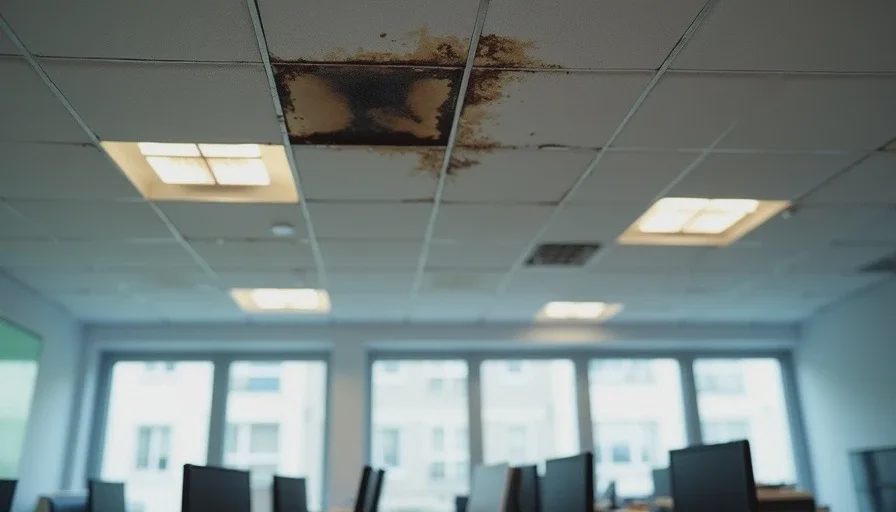
Leak cleanup. Every leak damages something — ceiling tiles, drywall, carpet, equipment, inventory. There's a cost to clean it up. There's a cost to tenant complaints. There's a cost to lost productivity while you deal with it. Those are real dollars.
Emergency premiums. When you call a roofer on a weekend because water is pouring into your office, you're paying emergency rates. I've seen bills for tarping alone that cost more than the permanent repair would have cost if it had been done a year earlier.
Tenant concessions. This one hurts. If a leak damages a tenant's space, they expect you to make it right. That could mean a rent abatement, a new build-out, or even letting them break their lease. That's not a hypothetical — I've seen it happen.
Financing costs. If you're borrowing for the project, interest rates fluctuate. Waiting rarely makes borrowing cheaper. And your lender may require a higher down payment after the damage has worsened.
The Math
Here's a real example from a building I worked on in Minneapolis last year.
The roof: 25,000-square-foot EPDM, 22 years old. Multiple leaks. Widespread seam failure. Wet insulation in about 30% of the roof area.
The owner's decision: He'd been putting off replacement for two years because he was focused on a major tenant fit-out.
The cost at year 1 (if he had done it then): $95,000.
The actual cost at year 3 (when he finally did it): $127,000.
What made up the $32,000 difference?
Material cost increases (8% total over two years) — $7,600
Additional insulation replacement (wet area expanded 12%) — $8,200
Additional deck repairs (rust spread) — $4,500
Energy waste over 2 years — $6,800
Leak cleanup and interior repairs — $4,900
Emergency service calls — $1,200
That's $32,000 of avoidable cost. On a $95,000 project, that's a 34% premium for waiting two years.
The Less Obvious Costs
There's another category of cost that's harder to put a number on.
Tenant confidence. When a building has persistent leaks, tenants start to wonder what else isn't being maintained. They might not say anything, but it plants a seed. At lease renewal time, that seed can make a difference.
Insurance premiums. Repeated claims for water damage can affect your insurance rating. And if the damage isn't repaired in a timely manner, your insurance company might limit your coverage or require you to get a new roof before they'll continue coverage.
Reputation. If you're a landlord, your reputation matters. A building that's always got buckets in the hallway is a building that's hard to lease. Prospective tenants talk to current tenants.
Stress. This one's for you. The owner who waits is the owner who wakes up at 3 AM during a thunderstorm wondering if his roof is leaking. That's not a joke. I've had owners tell me they lie awake during storms. That's not a way to live. And it's certainly not a way to run a business.
The "Right Time" Trap
A lot of owners are waiting for the perfect moment. Business is slow, so they need to save money. Business is booming, so they can't spare the disruption. Then the holiday season, then the busy season, then next year's budget cycle.
The perfect moment doesn't exist. There will always be a reason to wait. In my experience, the owners who replace their roofs at the right time are the ones who stop looking for the perfect moment and start looking for a window that's good enough.
The One Scenario Where Waiting Makes Sense
I want to be honest: there is one situation where waiting might be the right call.
If you're planning to sell the building within 12 months, and you can get a buyer who understands the roof condition and factors it into the price, it might make sense to leave it to the next owner. You're not avoiding the cost, you're passing it along. That's a legitimate business decision.
But here's the catch: you need to disclose it. And if you don't, you open yourself up to a lawsuit.
Outside of that specific situation, I can't think of a good reason to wait.
Frequently Asked Questions
1. How do I know when my commercial roof is at the point of needing replacement?
Start when the roof reaches about 75% of its design life. If your roof system has a 20-year lifespan, and it's at 16 years, start planning. If you have active leaks or widespread seam issues, don't wait. If you've got 25% or more wet insulation, you're past the point where repairs make financial sense.
2. What's the average cost increase for delaying a roof replacement a year?
Typical annual cost increase is 6-12%, depending on material inflation and how much more damage spreads. It doesn't sound like much, but it compounds. One year of waiting can add 3-8% for materials alone.
3. Does my insurance cover the cost of a roof replacement?
Often not, unless the damage is from a specific, named peril like a storm. Most commercial policies exclude wear and tear or lack of maintenance. Relying on insurance usually doesn't work out.
4. If I have a leak, can I just patch it and wait?
You can. But if you have more than two or three patches in a year, you're paying too much. You'll also find that the hidden costs — insulation loss, deck rust, energy waste — keep accumulating underneath. Those costs don't stop just because your ceiling looks dry.
5. How can I negotiate with a tenant to allow a roof replacement during their business hours?
Be upfront and communicate early. Offer a timeline that minimizes disruption. Sometimes, the work can be scheduled on weekends or after hours at an additional cost. Be prepared to offer a rent abatement for the days of disruption. Tenants who are part of the conversation are usually more reasonable than those who are blindsided.
6. What happens to my energy bills if I wait?
They go up. By roughly 2-3% per year for every 10% of wet insulation. On a 30,000-square-foot roof, that can be $2,000–$4,000 per year. This is one of the easiest hidden costs to miss — but it's also one of the most avoidable.
7. Can a roof replacement be done in winter?
Yes, but it costs more. Cold weather makes materials less flexible, requires additional labor, and slows work. There are temporary heating methods for roofs, but they are expensive. If you need a replacement in a cold climate, schedule it for late spring through early fall.
8. What's the biggest financial risk of delaying?
The deck. If water penetrates through the membrane and into the deck or structural members, the repair cost jumps significantly. If you wait long enough for the deck to be compromised, you've turned a roof job into a structural job. Those costs can triple the total.
9. How far out should I plan a commercial roof replacement?
Start planning at least 12-18 months ahead. This gives you time to budget, get multiple quotes, secure financing, and schedule the work at a time that works best for your building and tenants. Roof replacements aren't emergencies — unless you treat them that way.
10. Is it possible to phase a roof replacement over several seasons?
Yes. This is a sectional or phased approach. You can split the replacement over 2-3 years, but you'll want to maintain a weathertight seal between old and new sections. It can save money in a given year, but the total cost will be higher due to mobilization fees and material price increases over that period.
11. Are there tax benefits to replacing a commercial roof?
Under the Tax Cuts and Jobs Act of 2017, roof replacements are classified as qualified improvement property and can be depreciated over 15 years or potentially expensed under Section 179 or bonus depreciation. For many owners, this tax benefit can be substantial and should be discussed with a tax advisor.
12. If I wait one more season, can the damage be temporary or reversible?
No. Time is working against you. Water damage to insulation is permanent. Corrosion is permanent. Rot is permanent. The only fix for those problems is removal and replacement. The longer you wait, the more of these issues you'll have. And the more you'll have, the more it will cost.
Owner Letters
0 lettersNo letters yet — be the first to write one.