
Roof Coating vs Waterproofing System: Same Goal, Different Job
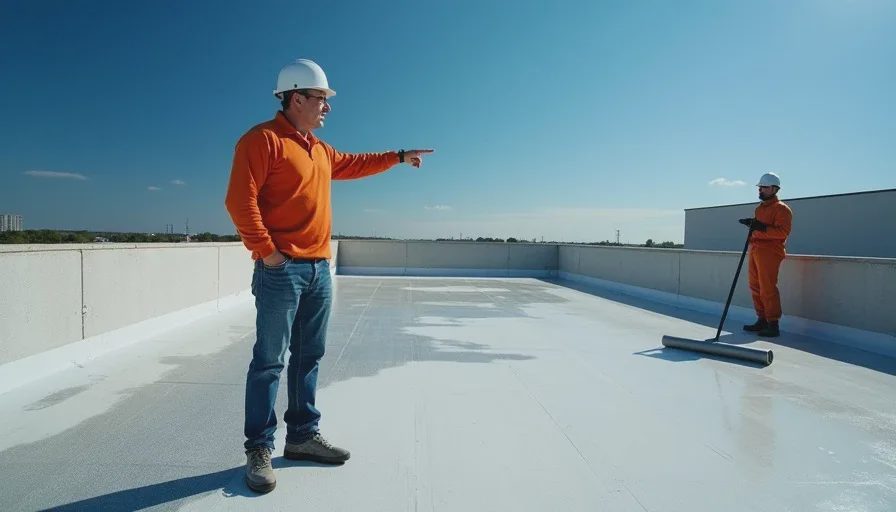
I got a call last week from a facility manager in Kansas City. His roof was 13 years old, a bit weathered, no active leaks. He'd gotten two quotes: one for a "waterproofing system" at $180,000, and one for a "roof coating" at $52,000.
"What's the difference?" he asked. "They both stop water, right?"
He's not wrong. But he's also not quite right.
This confusion is everywhere. Contractors use the terms interchangeably — sometimes deliberately, sometimes just because they don't know the difference themselves. But if you're about to spend five or six figures on a roof solution, you need to know what you're actually buying.
Let me walk you through what these two things actually are, when each makes sense, and why the wrong choice can be a very expensive mistake.
Start With This: Coating Is a Refresh, Waterproofing Is a Rebuild
Here's the simplest way I've found to explain it:
A roof coating is like sunscreen. You apply it to healthy skin to prevent future damage. It doesn't fix a sunburn. It doesn't repair tissue damage underneath. It just protects what's already there.
A waterproofing system is like a new roof. It's a complete assembly — membrane, insulation, flashings, edge details, sometimes a new deck surface. You're not protecting the old roof; you're replacing it with something brand new.
Both keep water out. But they do it at completely different levels, with completely different costs, and completely different expectations.
What a Coating Actually Does
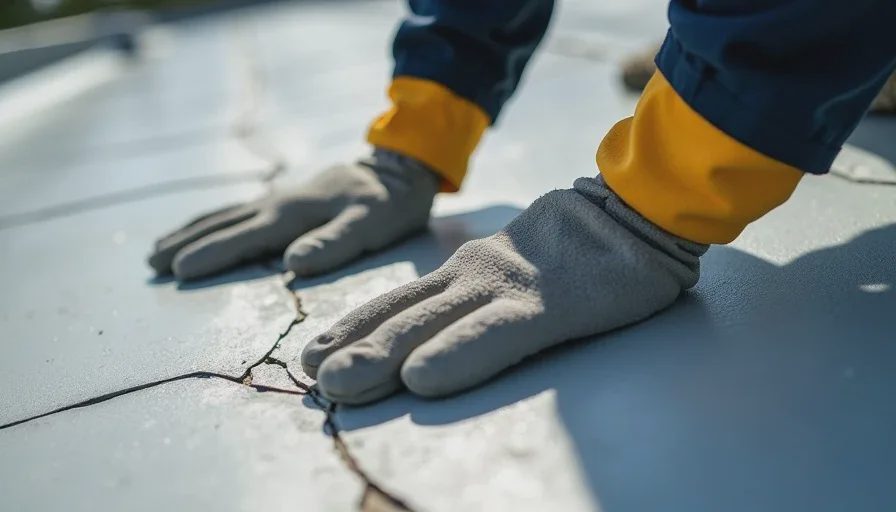
A coating is a liquid — acrylic, silicone, polyurethane — that gets rolled or sprayed onto your existing roof. It cures into a seamless, flexible film.
Here's what it handles well:
Surface cracks. Minor, hairline fractures. Nothing structural. Think of it like caulking a crack in your driveway versus repouring the whole slab.
Chalking and UV damage. That white, powdery residue you see on older TPO and EPDM? A coating seals that surface and restores reflectivity. Energy savings can be real — I've seen cooling costs drop 15% after a good silicone coating.
Extending life on a sound roof. If your roof is 8–12 years old, structurally fine, insulation dry, and just showing its age, a coating can buy you another 7–10 years at 20–30% of replacement cost.
What it doesn't do, and this is where owners get into trouble, is fix anything underneath. If your insulation is wet, a coating won't dry it out. If your seams are pulling apart, a coating won't re‑bond them. If your deck is rusting, a coating won't stop that.
I walked a roof in Austin two years ago where the owner had spent $38,000 on a silicone coating. Six months later, he had a ceiling stain. When we cut into the roof, the insulation underneath was completely saturated. The coating had just sealed the moisture in. He ended up paying for the coating and a full replacement. That's the nightmare scenario.
What a Waterproofing System Actually Is
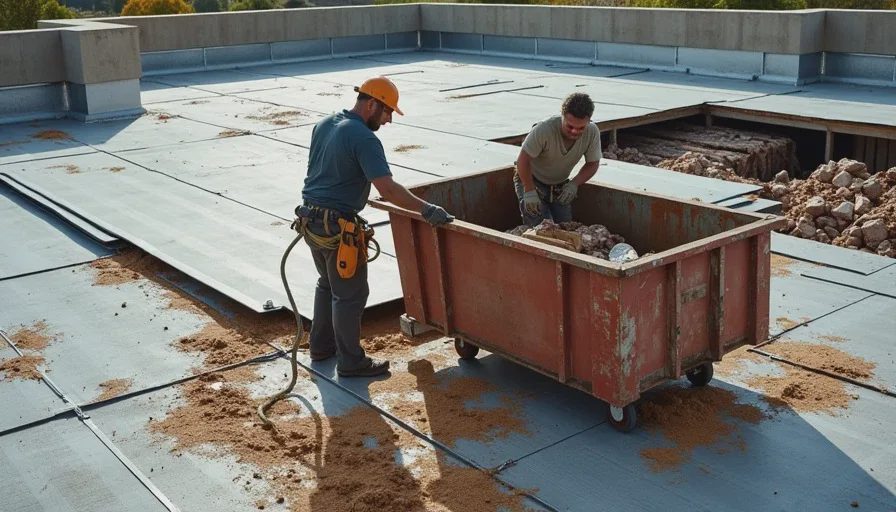
When I say "waterproofing system," I mean a complete, engineered roof assembly. This is what you're buying when you do a full replacement, a recover, or a below‑grade plaza deck. It includes:
A membrane (TPO, PVC, EPDM, modified bitumen, or multi‑ply)
Insulation (with R‑value that meets energy code)
A cover board (to protect insulation and give the membrane a smooth substrate)
Full flashing details at every penetration and edge
Edge metal and termination bars
Quality control (seam testing, flood testing, manufacturer inspections)
This isn't a surface treatment. It's the whole package. You're resetting the clock.
I spec'd a waterproofing system for a data center in Phoenix last year. The old roof had widespread seam failure, wet insulation across 40% of the area, and rusted deck in three zones. A coating would have been a complete waste. The new assembly cost $140,000 for 25,000 square feet, and that building now has a 20‑year warranty and a roof that can handle monsoon season without stress.
The Real Difference Is What You Can't See
This is the part owners often miss.
When you apply a coating, you don't get to see what's underneath. You're betting that the old roof is sound enough to support the coating. If you're right, great — you've saved a lot of money. If you're wrong, you've just paid to hide a problem that will come back bigger and more expensive.
When you install a waterproofing system — especially a full tear‑off — you see everything. The deck, the insulation, the fasteners, the flashings. You know exactly what you're working with. There are no surprises buried underneath.
That visibility is valuable. It's also expensive. You're paying to expose, inspect, and rebuild.
A Quick Way to Decide
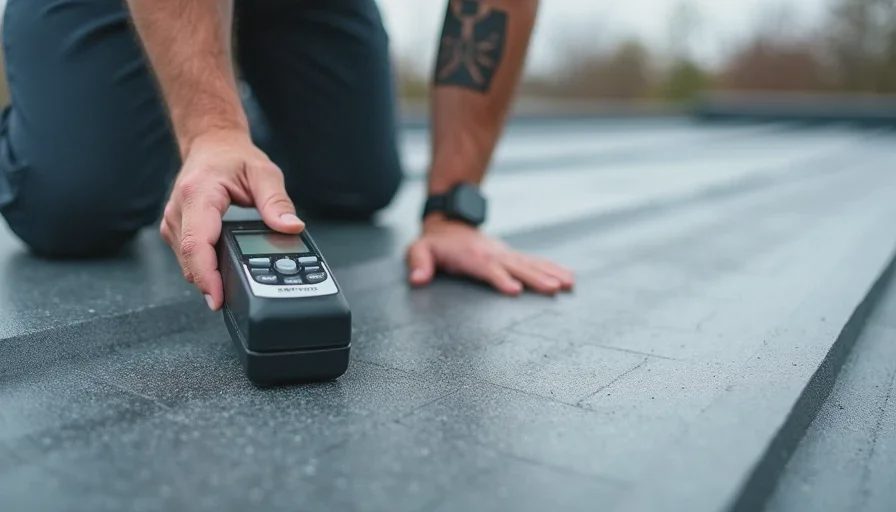
I use this framework with owners:
Coating is your option if:
The roof is under 15 years old
Insulation is dry (moisture survey says less than 15% wet)
Seams are intact (only minor cracking or localized issues)
No significant ponding
Your budget is tight and you need to buy time
Waterproofing system is your option if:
The roof is over 18 years old
Insulation is more than 25% wet
Widespread seam failure or membrane brittleness
Structural deck issues (rust, rot, sagging)
You plan to hold the building for 15+ years and want maximum longevity
The gray zone — where you have some issues but not total failure — is where a recover can be the sweet spot. New system on top of the old, with local repairs to the substrate. It's less than full replacement, more than a coating.
The Question That Saves You Money
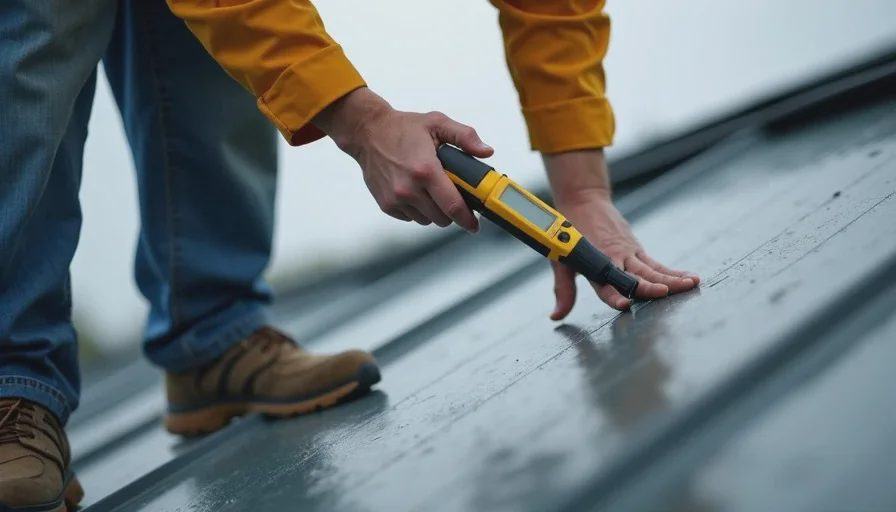
Next time a contractor recommends a "waterproofing system," ask this:
"Are you recommending a full tear‑off and new assembly, or are you recommending a coating? And what evidence do you have that the existing roof can't support a coating?"
If they can't show you a moisture survey, a seam inspection report, and photos of the membrane condition, they're making a guess. And you shouldn't pay for guesses.
Cost Realities (No Sugarcoating)
Approach | Cost per sq ft (rough) | Typical Life | Who It's For |
|---|---|---|---|
Coating | $3–$6 | 7–10 years | Owners with sound roofs, tight budgets, short‑term holding |
Recover | $8–$12 | 15–20 years | Owners with sound decks but old membrane, wanting a new surface |
Full replacement | $12–$18 | 20–25 years | Owners with compromised roofs, long‑term plans, or critical assets |
A coating isn't "cheap" — it's just cheaper than replacement. But if it fails because the roof underneath wasn't ready, it becomes the most expensive option.
My Take (and You Can Disagree)
I think coatings are over‑sold. Not because they're bad — they're not. I've seen coatings that added 12 years of life to perfectly good roofs. But I've also seen contractors push coatings on roofs that clearly needed replacement just because the owner wanted the lowest number on the bid. That's not helping — that's selling.
Conversely, I think some owners under‑value a full replacement. They see $150,000 and panic, so they spend $50,000 on a coating that lasts five years, then another $60,000 on patchwork, then finally $160,000 on the replacement they should have done in the first place. That's not saving money. That's paying more over time.
The right call depends on your roof's actual condition. Not your budget. Not your fear. Not what the contractor's cousin recommended.
Frequently Asked Questions
1. Can I apply a coating over any existing roof?
No. The existing roof must be structurally sound, dry (less than 15% wet insulation), and free of widespread seam failure or membrane deterioration. A moisture survey and seam inspection are essential before any coating application.
2. How long does a roof coating actually last?
Typically 7–10 years for high‑quality silicone or acrylic coatings applied with proper surface preparation. Lower‑quality coatings or poor prep can fail in 3–5 years. Expect to recoat every 7–10 years to maintain performance.
3. Does a coating fix leaks?
No. A coating is preventative, not corrective. If you have an active leak, you must fix the source before coating. Applying a coating over an active leak just traps water inside your roof assembly.
4. Is a waterproofing system the same as a roof replacement?
Generally, yes. In commercial roofing terms, a waterproofing system refers to a complete new roof assembly — membrane, insulation, flashings, and edge details. Some contractors use "waterproofing" to mean a coating, but that's inaccurate and can be misleading.
5. Which is cheaper in the long run — coating or replacement?
It depends on your ownership horizon. For a 5–7 year holding period, coating usually wins. For 20+ years, full replacement often has a lower total cost of ownership because you avoid multiple recoating cycles and the risk of hidden substrate failure.
6. Can I coat over a TPO roof?
Yes, if the TPO is sound and properly prepared. But you must use a coating specifically designed for TPO. Coating over TPO requires thorough cleaning, surface profiling, and sometimes a primer to ensure adhesion. Silicone coatings are the most common choice for TPO.
7. What's the biggest mistake owners make with coatings?
Applying a coating to a roof that should have been replaced. Owners see a lower price and choose coating, only to find that hidden issues (wet insulation, seam failures, deck corrosion) continue to worsen underneath. The coating fails, and they end up paying for both the coating and the eventual replacement.
8. How do I know if my roof needs a coating or a replacement?
Get a moisture survey and a detailed membrane assessment from an independent inspector or a qualified contractor. If less than 15% of insulation is wet, seams are intact, and membrane is still flexible, coating is an option. If more than 25% is wet, seams are failing, or membrane is brittle, you need replacement.
Owner Letters
0 lettersNo letters yet — be the first to write one.