
Best Sectionals for Small Spaces: How to Choose the Right Fit
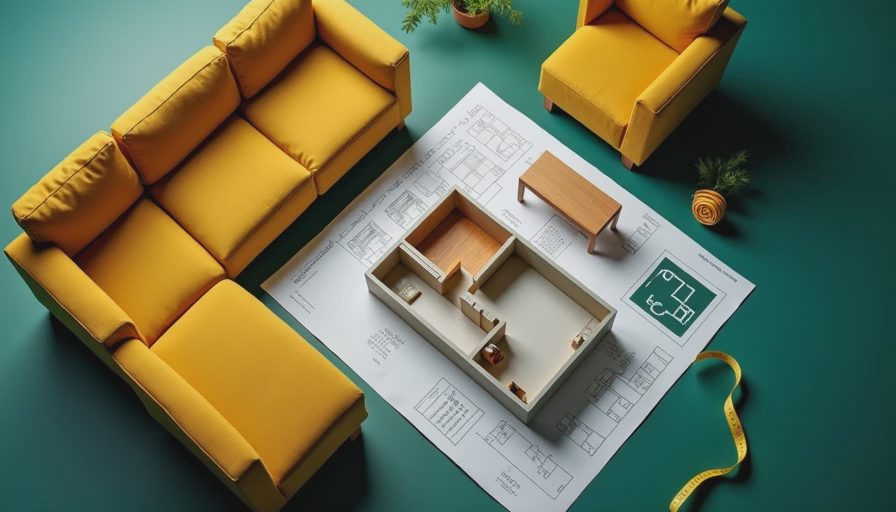
Finding the best sectionals for small spaces is less about squeezing the largest sofa into a room and more about controlling scale, traffic flow, and usable seating. A sectional can make a compact apartment, den, studio, or family room feel organized, but the wrong configuration can block a doorway, crowd a coffee table, or leave no comfortable path around the furniture.
I have seen the same mistake repeatedly: shoppers measure only the wall, order a deep sectional, and discover that the room feels smaller even though the sofa technically fits. The better process starts with the entire room. Measure the walls, doorways, elevator, stair turns, windows, vents, and the walking route between major furniture pieces. A sofa that fits on paper still fails if delivery crews cannot get it through the building.
What to measure before shopping
The best sectionals for small spaces usually have a footprint between about 70 and 100 inches wide, although the right size depends on the room and layout. Before comparing colors or upholstery, use painter’s tape to mark the proposed sofa on the floor. Include the chaise extension, armrests, reclining mechanisms, and any space needed to open a sleeper bed.
Aim for roughly 30 to 36 inches of clear walking space in the main path when possible. In a very tight room, 24 inches can work for a secondary passage, but less than that often feels awkward. Leave enough room to open cabinets, reach outlets, and pull dining chairs away from a table. A coffee table should generally sit about 14 to 18 inches from the sofa, giving people enough legroom without creating a dangerous gap.
Measure the entry route separately. A sectional with removable legs or modular pieces can be easier to deliver than one rigid frame. Check the product’s packaged dimensions, not just its assembled dimensions. A 90-inch sofa may fit inside a room but still fail at a narrow hallway turn.
Choose the layout before the upholstery
When comparing the best sectionals for small spaces, decide whether a left-arm chaise, right-arm chaise, reversible chaise, or true L-shaped configuration serves the room. “Left” and “right” descriptions can vary by retailer, so confirm whether the view is from facing the sofa or sitting on it. A reversible chaise is especially useful in a rental or a room that may be rearranged later.
A chaise sectional is often the most efficient option for one or two people who want to stretch out without adding a separate ottoman. It can provide lounge space while preserving a narrower walkway than a full three-piece arrangement. However, a chaise that extends toward a doorway can create a daily obstruction. Place it along the least-used side of the room whenever possible.
For a square living room, a compact L-shape can define the seating area without floating too far into the center. For a narrow room, a sofa with a movable ottoman may work better. The ottoman can function as a footrest, extra seat, or coffee table surface, then move aside when guests arrive. Modular designs provide flexibility, but every connector should feel secure and easy to align.
Features that make a compact sectional feel larger
The best sectionals for small spaces tend to use visual and physical details that reduce bulk. Raised legs create a visible strip of floor beneath the sofa, which can make the room feel more open. Slim arms preserve seating width, while a lower back keeps the sightline across the room clearer. Light upholstery is not required, but neutral gray, oatmeal, muted blue, or warm beige can be easier to blend with walls and rugs than a heavy dark pattern.
Look for seat depths around 21 to 24 inches if the room is tight. Deep seats of 26 inches or more can feel luxurious, but they consume floor space and may leave shorter users sitting with their feet unsupported. Firm or medium-firm cushions usually hold their shape better for everyday use than very soft cushions that compress into a broad, low profile.
Performance fabric can be a practical choice for households with children, pets, or frequent guests. Polyester blends, tightly woven fabrics, and removable cushion covers are generally easier to maintain than delicate linen-look materials. Ask how the fabric should be cleaned before buying. A manufacturer’s cleaning code matters more than a sales label such as “family friendly.”

Sleeper sectionals, storage, and everyday use
A sleeper model can be valuable when a compact home lacks a guest room, but it needs extra scrutiny. The best sectionals for small spaces with sleeper functions should open without hitting a wall, media console, or table. Measure the fully extended bed, not just the closed sofa. A queen sleeper can require more than 80 inches of open depth, while a twin option may suit a den with less clearance.
Storage chaise compartments are useful for blankets, pillows, game controllers, and seasonal items. Test the lift mechanism if you can, because a lid that is heavy or difficult to hold open will rarely be used. Also check whether the storage area is ventilated and whether the chaise cushion stays aligned after repeated opening.
If the sectional will be used for daily sleeping, compare the mattress construction. Memory foam can provide a more even surface than a thin spring mattress, but it may retain heat. A removable topper can improve occasional comfort, though it requires somewhere to store it. For regular guests, a dedicated sofa bed may be a better choice than forcing a compact sectional to perform two jobs poorly.
Price ranges and brands worth comparing
Entry-level compact sectionals commonly fall around $600 to $1,200, while better-built modular and performance-fabric models often run from $1,500 to $3,000 or more. Retailers such as IKEA, Ashley, Wayfair, Living Spaces, and Article offer different combinations of price, delivery, customization, and return policies. West Elm and Room & Board typically occupy a higher price tier, with more attention to upholstery, frame options, and design details.
Do not judge value by cushion appearance alone. Ask whether the frame uses kiln-dried hardwood, engineered wood, or a combination; whether the cushions are reversible; and whether replacement covers or components are available. A sectional with a $900 price tag can become expensive if one damaged module must be replaced entirely. Conversely, a modular $2,000 purchase can make sense if individual pieces, covers, and connectors remain available for years.
Review delivery fees, room-of-choice service, assembly charges, return windows, and restocking costs before checkout. These details can add several hundred dollars and materially change the comparison.
A practical buying process
The best sectionals for small spaces should be selected through a simple sequence. First, draw the room and mark doors, windows, outlets, vents, and radiators. Second, tape the full footprint on the floor for at least a day. Third, confirm the delivery route with a tape measure and photos. Fourth, decide whether the chaise should be fixed or reversible. Fifth, test seat depth, cushion firmness, arm height, and back support in person whenever possible.
Then compare two or three candidates using the same measurements. Write down assembled width, depth, height, seat width, seat depth, leg clearance, module weight, and return terms. A product page may show a beautiful room scene, but the measurements tell you whether the piece will leave a workable path.
If you are buying online, order fabric swatches first. Screen colors shift, and a fabric that looks soft in a photograph may feel rough or show every mark in real life. Confirm the expected delivery window before scheduling movers or disposing of an existing sofa.
Final guidance for a confident choice
The best sectionals for small spaces balance seating capacity with circulation, access, and maintenance. A compact chaise may outperform a larger sectional because it leaves room for movement. A reversible design may be worth paying more for if you expect to move. A sleeper can solve a real problem, but only when the room has enough clearance to open it fully.
The safest choice is the one that fits the taped footprint, clears the delivery path, supports the way you actually sit, and has upholstery suited to daily life. Ignore the sales pitch that focuses only on appearance. Measure first, compare total costs, and choose a sectional that leaves the room usable after it arrives.
Keep Reading

Upholstery Cleaner: A Practical Guide for Commercial Facilities
Upholstery cleaner guidance for commercial facilities: compare formulas, protect...

Where to Buy Furniture: A Practical Guide for Commercial Property Buyers
Where to buy furniture for a commercial office, waiting room, or break area: com...

Palm Tree Types: A Practical Guide for Property Owners
Palm tree types explained for property owners: learn how species, roots, fronds,...
Owner Letters
0 lettersNo letters yet — be the first to write one.