
Upholstery Cleaner: A Practical Guide for Commercial Facilities
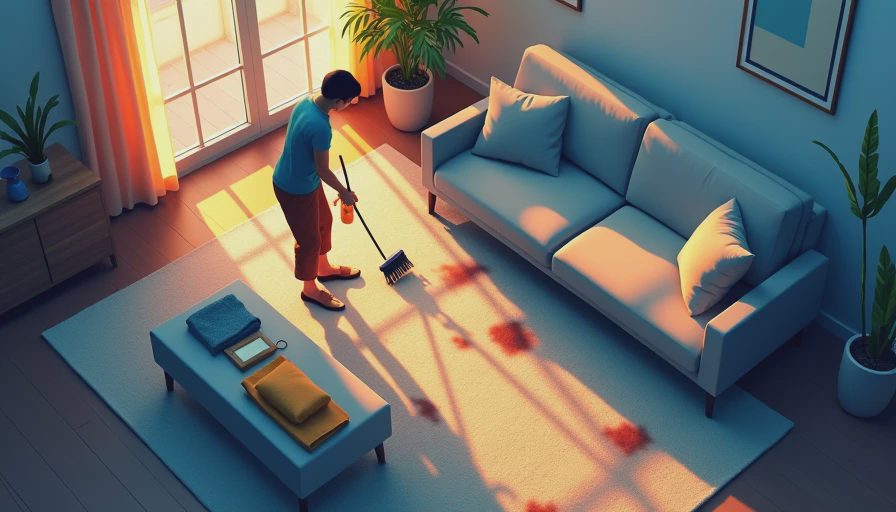
An upholstery cleaner is a small purchasing decision that can affect how a lobby, leasing office, hotel-style common area, or tenant lounge looks every day. For a commercial property manager, the goal is not a shiny product label. It is removing soil without leaving rings, damaging fabric, creating strong odors, or turning a $40 cleaning task into a $900 furniture replacement. The same owner-side discipline used to inspect a roof applies here: identify the failure, understand the material, and choose a scope that solves the actual problem.
Start with the Fabric, Not the Bottle
Before buying an upholstery cleaner, identify what the furniture is made from. Woven polyester, nylon blends, cotton, microfiber, vinyl, leather, and performance fabrics do not respond identically to moisture or solvents. Look for the manufacturer’s cleaning code beneath a cushion or on the furniture documentation. A water-based method is commonly identified by a W code, solvent cleaning by an S code, either method by WS, and X generally means vacuuming only or professional service. Those codes are a starting point, not permission to soak the entire chair.
A facility team should photograph the label, note the fabric, and test an inconspicuous area before treating a visible stain. Use a white cloth so dye transfer is easier to see. If the test area becomes lighter, rough, sticky, or discolored after drying, stop. A low-cost upholstery cleaner is not a bargain when it causes a permanent halo on a $600 reception chair. For larger properties, keep a simple asset file with furniture type, fabric code, cleaning date, and observed damage.
The roof does not care about the sales pitch, and furniture does not either. Material compatibility matters more than a dramatic promise on the front of a package.
Choose a Method That Matches the Soil
Different stains need different treatment. Dry dust and grit should be removed with a vacuum using an upholstery attachment before liquid is introduced. Grease from hands or food may require a compatible low-residue detergent. Coffee, soda, and tracked-in grime often respond better to controlled moisture followed by extraction than to repeated scrubbing. Ink, adhesive, and unknown chemical stains deserve caution because aggressive treatment can spread or set them.
A commercial upholstery cleaner can be a ready-to-use spray, concentrated solution for a portable extractor, foam product, or solvent-based treatment. Ready-to-use products reduce mixing errors and make sense for a small office with occasional spills. Concentrates can lower cost across a large portfolio, but staff need labeled bottles, dilution instructions, gloves, and a written process. Excess detergent is a common problem. It attracts soil after drying and leaves fabric stiff or tacky.
For a property with dozens of chairs, a portable extractor from brands such as Bissell Commercial, Kärcher, or Sanitaire may be more useful than a shelf full of specialty sprays. The machine is only as good as its operator. Slow passes, controlled water, and adequate drying usually beat flooding a cushion and hoping ventilation handles the rest.
Build a Simple Cleaning Workflow
A repeatable workflow protects both the furniture and the budget. First, remove loose debris and identify the stain. Second, check the fabric code and review the product label. Third, test a hidden section and let it dry fully. Fourth, apply the smallest amount of upholstery cleaner needed to loosen the soil. Blot or extract rather than grinding the stain deeper into the weave. Finally, use air movement to shorten drying time and inspect the result under normal room lighting.
Do not stack wet cushions against a wall or return damp chairs to a busy waiting area. Trapped moisture can create odor and, in some environments, support microbial growth. If a cushion remains damp several hours later, improve airflow and reduce the amount of solution used on the next pass. A fan costing $30 to $80 can prevent rushed reopening of a room and reduce complaints from occupants.
Document before-and-after photos for recurring problem areas. If the same armrest is soiled every week, the issue may be traffic behavior, a nearby food station, or a fabric choice that does not suit the space. Cleaning treats the symptom. A patch is not a plan when the underlying use pattern keeps recreating the stain.

Compare Cost Against Replacement
The cheapest upholstery cleaner is not always the lowest-cost option. A $12 spray may handle one break-room chair, while a commercial concentrate costing $35 to $70 can clean many seats when diluted correctly. Professional upholstery service commonly costs roughly $75 to $250 per furniture group, depending on access, fabric, stain severity, and local labor. Reupholstering a damaged chair can run several hundred dollars, and replacing a coordinated lobby set can reach several thousand.
That comparison helps a manager decide where staff cleaning ends and specialist service begins. A few coffee spots on durable polyester are a reasonable in-house task. Red dye on a light lobby sofa, widespread odor, delicate fabric, or visible water damage deserves a professional assessment. The decision is never just clean or replace. It is material, contamination level, appearance standard, labor time, and the risk of making the condition worse.
For budgeting, track labor as well as product. If two employees spend 90 minutes treating six chairs every month, the labor may exceed the chemical cost. A scheduled vendor visit twice a year could produce a cleaner result while freeing maintenance staff for higher-risk work, including roof drains, flashing observations, and leak response.
Product Features That Actually Matter
Look for clear dilution directions, residue control, fabric compatibility information, and a usable safety data sheet. A neutral or mild formulation is not automatically safe for every textile, but vague labeling is a warning sign. Fragrance should not be the main selection criterion, especially in medical, educational, residential, or office settings where occupants may be sensitive to strong odors.
An effective upholstery cleaner should leave the surface reasonably clean without making drying unnecessarily difficult. Low-foam formulas are often easier to manage in extraction equipment, while foaming aerosols can be convenient for isolated spots. Neither format fixes poor technique. Avoid mixing products, especially acidic and alkaline cleaners, bleach-containing products, or solvents. Store chemicals away from heat, food, and untrained access.
Ask vendors for a small sample or technical sheet before committing to a case quantity. A $25 test purchase is cheaper than discovering that a $300 order causes color loss across a tenant amenity space.
When Cleaning Is the Wrong Scope
Cleaning cannot repair torn seams, broken foam, delaminated vinyl, rust stains from an internal frame, or fabric permanently bleached by sunlight. It also cannot solve a moisture source beneath a cushion. If furniture is repeatedly damp near an exterior wall, roof leak, plumbing chase, or window line, investigate the building envelope before treating the upholstery again. The visible stain may be the last part of a larger failure path.
Use a replacement threshold that fits the property. A $120 task chair with failing foam may not justify specialized cleaning, while a $2,000 lounge sofa with a sound frame may deserve careful restoration. Ask for written scope, drying expectations, product names, and photo documentation from any vendor. Clear records make future decisions easier and prevent repeated payment for the same unresolved condition.
A practical upholstery cleaner program is simple: identify the fabric, control moisture, treat the actual soil, document the result, and escalate when damage exceeds surface cleaning. That approach protects appearance without turning routine maintenance into an unnecessary capital project.
Keep Reading

Where to Buy Furniture: A Practical Guide for Commercial Property Buyers
Where to buy furniture for a commercial office, waiting room, or break area: com...

Palm Tree Types: A Practical Guide for Property Owners
Palm tree types explained for property owners: learn how species, roots, fronds,...
How to Deep Clean a House Room by Room Without Missing the Details
Learn how to deep clean a house room by room with a practical checklist for kitc...
Owner Letters
0 lettersNo letters yet — be the first to write one.