
Cleaning Outdoor Cushions: A Practical Guide for Patio Furniture
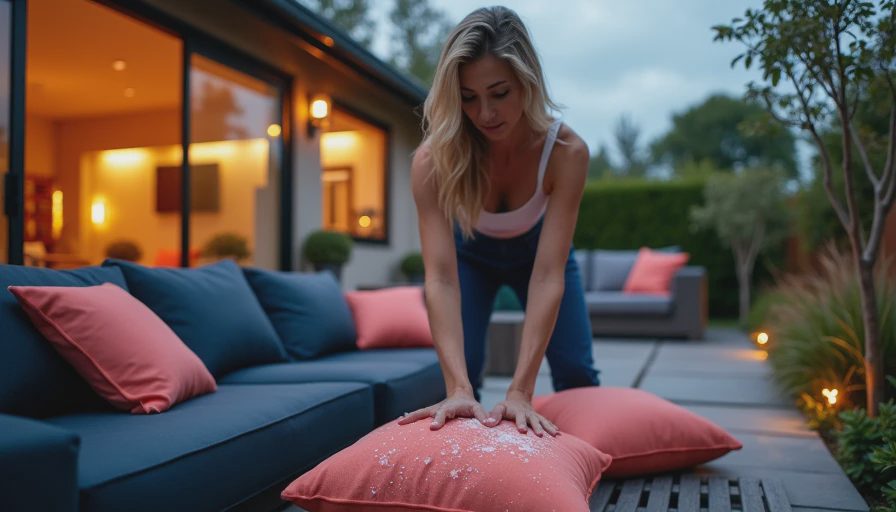
Cleaning outdoor cushions is not difficult, but rushing the job can leave behind mildew, water rings, or damaged fabric. The right process starts with reading the care label, removing loose debris, and testing any cleaner in a hidden spot. A cushion that looks permanently gray after one season may simply have embedded pollen, sunscreen, food oils, and dust. On the other hand, brittle fabric, exposed stitching, and foam that stays wet for days are signs that cleaning alone will not restore it.
Work on a warm, dry day with enough time for the cushions to dry completely. Move them away from the house or deck rail so runoff does not splash dirt back onto the fabric. Gather a vacuum or soft brush, a bucket, mild dish soap, clean water, white vinegar, a soft nylon brush, towels, and a garden hose with a gentle spray setting. Avoid chlorine bleach unless the manufacturer specifically permits it, because bleach can weaken fibers and create uneven color.
Start by Identifying the Cushion Problem
Before cleaning outdoor cushions, separate loose dirt from stains and biological growth. Shake each cushion, then vacuum both sides, paying attention to seams, welting, zipper edges, and the space between the cushion and its frame. A brush attachment can lift dry pollen without grinding it deeper into the weave.
Look closely at what remains. Green or black spotting often indicates mildew, while brown marks may be leaf tannins or rust from a metal frame. Greasy circles near a headrest or armrest usually come from sunscreen and skin oils. Food stains respond differently from tree sap, bird droppings, and spilled drinks, so treating every mark with the same chemical is a poor strategy.
Check the care tag for codes or instructions. Some removable covers can go into a washing machine on a gentle cycle, while others require spot cleaning. Never assume that outdoor fabric means waterproof fabric. Most patio textiles resist water rather than block it completely, and foam can absorb a surprising amount during soaking.
A Safe Cleaning Outdoor Cushions Process
For routine cleaning outdoor cushions, mix about one-quarter cup of mild liquid detergent with a gallon of lukewarm water. Use a small amount of soap; excess suds are harder to rinse and can attract dirt after the cushion dries. Dip a soft brush into the solution and work from the top down, using short strokes instead of aggressive scrubbing.
Let the solution sit for roughly five to ten minutes. This gives it time to loosen oils and surface grime. Do not let the mixture dry on the fabric. Rinse with a hose set to a gentle shower, directing water across the cushion rather than forcing it into seams. If the cushion has a removable cover, place a towel underneath while spot-treating to catch dirty runoff.
For mildew spots, mix equal parts white vinegar and water and apply it sparingly after removing surface dirt. Allow several minutes of contact time, brush lightly, and rinse thoroughly. Vinegar is useful for mild growth and odor, but it is not a substitute for replacing deeply contaminated foam. Test first because some dyes and finishes react differently.
Repeat the treatment rather than increasing chemical strength. Strong cleaners can strip water-repellent finishes, fade darker colors, or leave the fabric stiff. If a mark remains after two careful attempts, identify the stain before escalating to a product recommended for the specific textile.
Drying Matters More Than Most Owners Expect
A cushion can appear dry on the outside while the foam inside remains damp. That trapped moisture creates the musty smell many people blame on dirty fabric. After rinsing, press towels against the surface to remove excess water. Do not twist, fold, or wring the cushion, since those actions can distort foam and stress seams.
Stand cushions on their edges in direct air movement, leaving space between each piece. Sunlight helps, but ventilation is more important than heat. Rotate the cushions every few hours so the underside does not stay wet against a deck or concrete surface. In dry weather, a normal cushion may need several hours; thick foam can require a full day or longer.
When cleaning outdoor cushions in humid weather, use a box fan or place the pieces in a covered, breezy area. Bring them indoors only if the space is dry and well ventilated. Do not put damp cushions into a storage bin, stack them tightly, or return them to a covered sofa before they pass a simple test: press the center and seams. Any cool, heavy, or damp feeling means more drying time is needed.
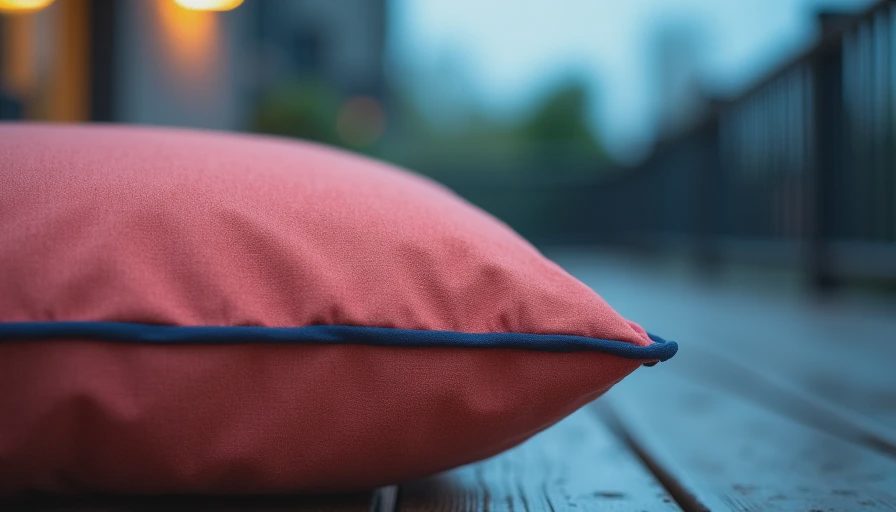
Handling Stubborn Stains and Faded Fabric
Grease responds well to mild dish soap because the surfactants break up oil. Apply diluted soap to the spot, wait five minutes, and rinse. For coffee, juice, or soda, blot first with a clean towel instead of rubbing outward and enlarging the mark. Tree sap may require a fabric-safe solvent, but use the smallest possible amount and follow the label carefully.
Bird droppings should be allowed to dry slightly, lifted with a dull edge, and then washed. Wear disposable gloves and wash your hands afterward. Rust marks require a product labeled for outdoor fabric; household rust removers can burn or discolor textiles. Do not combine vinegar with bleach or mix multiple cleaners. A stronger chemical combination is not a better cleaning plan.
Some fading is permanent ultraviolet damage rather than dirt. If the fabric is clean but the color is chalky, uneven, or threadbare, consider replacement covers instead of repeated chemical treatments. Companies such as Sunbrella are known for solution-dyed outdoor fabrics, but even durable materials eventually lose color when exposed to intense sun and poor storage.
When Replacement Makes More Sense
Cleaning outdoor cushions can improve appearance, but it cannot repair structural failure. Replace a cover when seams are opening, the zipper no longer closes, or the fabric tears under light pressure. Replace foam when it smells sour after drying, crumbles when squeezed, or remains visibly compressed after you release it.
A replacement cover may cost around $30 to $100 for a simple seat cushion, while custom covers or large sectional pieces can run several hundred dollars. New foam adds cost, but a properly fitted insert can make an older frame comfortable again. Measure length, width, thickness, corner shape, and seam placement before ordering. A one-inch error can produce wrinkles that collect water.
For a complete patio set, compare the cost of covers and foam with a replacement set. If the frame is sound and the cushions have good proportions, refurbishment often makes more sense than buying new furniture. If rusted hardware, cracked frames, and failing cushions appear together, put the money toward a more durable replacement.
Keeping Cushions Cleaner Between Washes
The easiest cleaning outdoor cushions job is the one prevented by routine care. Brush off leaves every few days, especially after rain. Wipe sunscreen and food spills promptly, and keep cushions slightly elevated so air can move underneath. A waterproof storage bench or breathable furniture cover helps, but do not cover wet cushions. Trapped moisture is worse than an uncovered cushion drying in the shade.
At the end of the season, wash and dry every piece before storage. Store cushions vertically or flat in a dry location, without heavy boxes crushing the foam. Inspect them when spring arrives, before stains have months to set. A quick vacuum, spot treatment, and complete drying cycle can keep annual deep cleaning manageable.
Cleaning outdoor cushions works best as a controlled maintenance task, not an emergency rescue. Use mild detergent, gentle agitation, complete rinsing, and patient drying. The fabric will tell you whether it needs another cleaning or a replacement: surface grime can be removed, but weakened fibers and saturated foam are evidence that the material has reached the end of its useful life.
Keep Reading
Upholstery Cleaner: A Practical Guide for Commercial Facilities
Upholstery cleaner guidance for commercial facilities: compare formulas, protect...

Where to Buy Furniture: A Practical Guide for Commercial Property Buyers
Where to buy furniture for a commercial office, waiting room, or break area: com...
Palm Tree Types: A Practical Guide for Property Owners
Palm tree types explained for property owners: learn how species, roots, fronds,...
Owner Letters
0 lettersNo letters yet — be the first to write one.