
Emergency Roof Tarping After Storm Damage: What to Do in the First 24 Hours
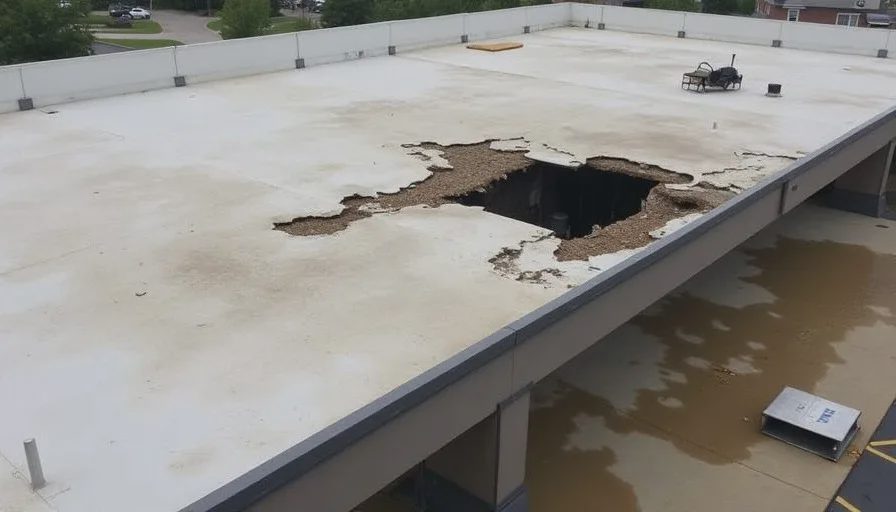
A storm rolls through. Hail, wind, or flying debris punches a hole in your commercial flat roof. Rain starts pouring in. Tenants are calling. Your phone is ringing off the hook.
In that moment, panic is your enemy. A clear, methodical response is your only defense.
The first 24 hours after storm damage are critical. What you do – and what you don't do – will determine whether you minimize losses or set yourself up for months of headaches, denied insurance claims, and avoidable structural damage.
Here's a field-tested, step‑by‑step emergency protocol for the first 24 hours. Follow it to the letter.
The 24‑Hour Clock – Why It Matters
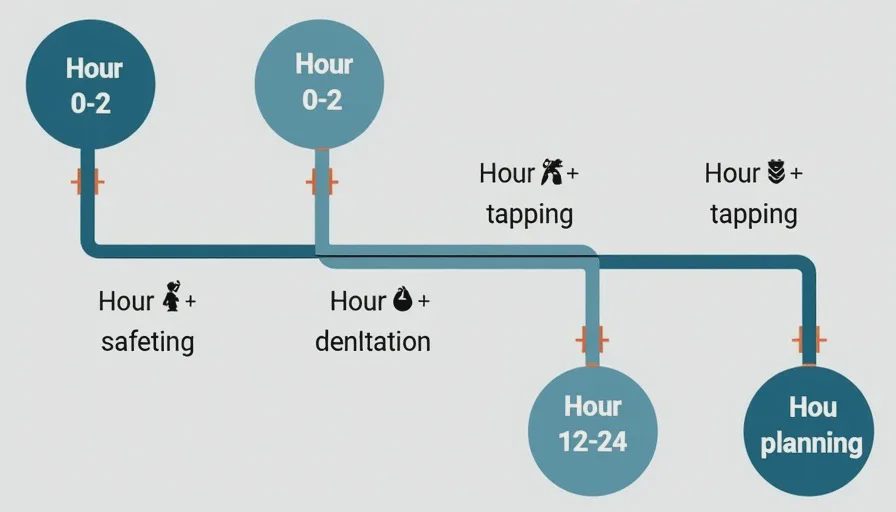
Insurance policies often require you to take "reasonable steps" to prevent further damage. If you don't, they can deny your claim. And every hour water sits in your insulation, the damage compounds – wet insulation loses R‑value, rust forms on fasteners, and ceiling tiles sag.
The goal of the first 24 hours is not to fix the roof. It's to stabilize the situation, document everything, and get professional help lined up.
Hour 0–2: Safety and Immediate Control
1. Secure the Area – Protect People First
Evacuate any spaces directly under the leak. Water can carry electrical hazards, and ceilings can collapse.
Move or cover sensitive equipment, inventory, and furniture. Use plastic sheeting and buckets if needed.
Shut off power to affected areas if water is near electrical panels or outlets.
2. Stop the Inflow – Temporary Interior Measures
Puncture the ceiling tile (if safe) to drain pooled water into a bucket – this prevents the tile from collapsing under weight.
Use tarps or plastic sheeting on the interior to channel water to drains or buckets.
Do NOT try to climb onto a wet, damaged roof yourself. That's a fall hazard.
3. Contact Your Emergency Roofing Contractor – Now
Your regular contractor may not do emergency work. Have a storm response contractor on speed dial – or use SelectHomeQuote's emergency matching service (see below).
Ask them to dispatch a crew for temporary tarping as soon as possible. Many contractors prioritize emergency calls within 24 hours.
Hour 2–6: Documentation and Insurance Notification
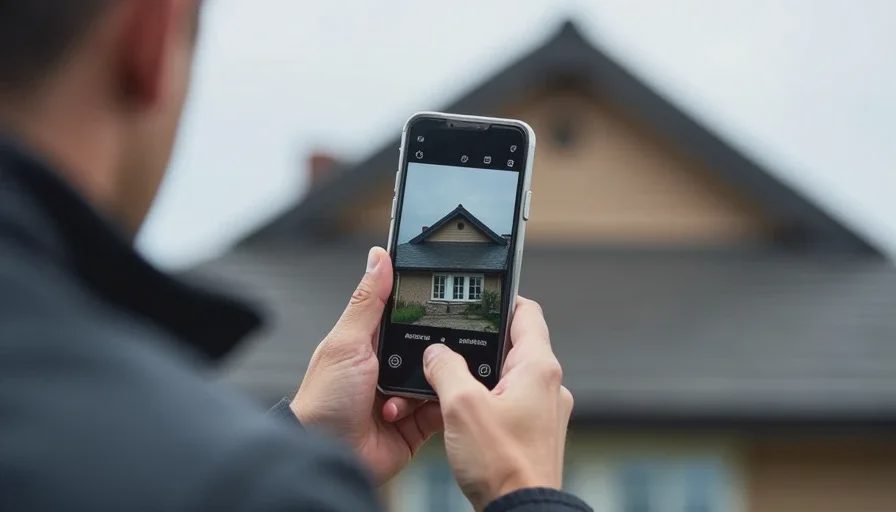
4. Document Everything – Photo and Video
Take wide shots of the entire roof (from ground level or a drone, if safe) to show overall damage extent.
Take close‑ups of the specific damage – holes, tears, missing membrane, ponding water, debris impact.
Photograph interior damage – ceiling stains, water on floors, soaked insulation, damaged equipment.
Video walkthrough – narrate what you see, including date and time.
Why: Insurance adjusters need evidence to approve claims. Without it, they may dispute the cause or extent.
5. Notify Your Insurance Company – But Don't File a Full Claim Yet
Call your carrier's emergency line. Report the damage and ask for a claim number – but hold off on detailed documentation until you have a contractor's estimate.
Ask: "What are my policy requirements for temporary repairs?" and "Who is my assigned adjuster?"
Do not authorize a full roof replacement until the adjuster has inspected – but you can authorize emergency tarping.
6. Get a Preliminary Assessment from a Professional (Remotely)
If the contractor can't arrive immediately, send them your photos and videos.
Ask them to advise on the type of tarping needed – poly sheeting, plywood over holes, or full coverage.
They may also tell you if the damage is clearly storm‑related (which helps with insurance) or pre‑existing (which you'll need to address separately).
Hour 6–12: Execute Emergency Tarping (or Arrange It)
7. Professional Tarping – The Right Way
Never attempt to tarp a commercial roof yourself – it's dangerous and ineffective.
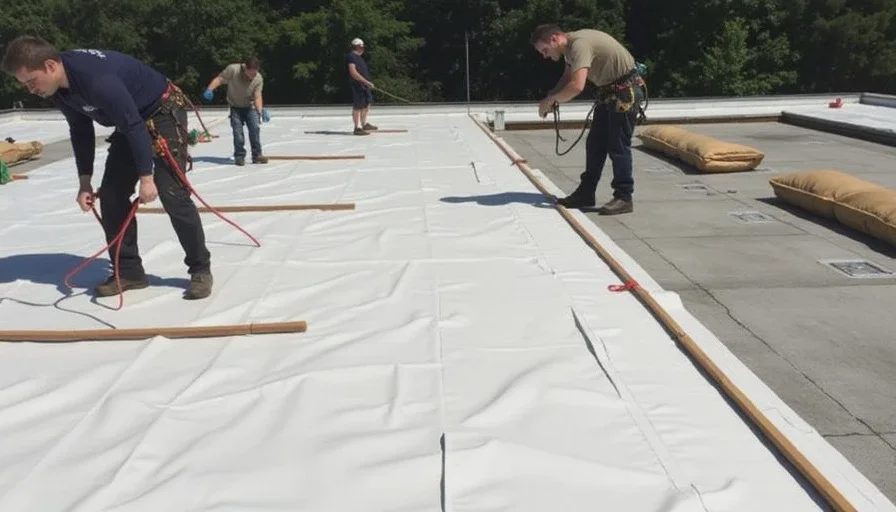
A professional crew will:
Remove debris and loose membrane from the damaged area.
Install heavy‑duty polyethylene tarp (minimum 6 mil, often 10–12 mil) secured with sandbags, wood battens, or screws (but not into the membrane – they'll use temporary fasteners on the substrate).
Overlap tarps by at least 2 feet and seal seams with tape or adhesive.
Ensure the tarp slopes toward a drain or edge to shed water.
8. What If No Professional Is Available Immediately?
If you absolutely cannot get a contractor within 12 hours, you may need to do a temporary interior catch (plastic sheeting inside) and wait for the professional tarping crew.
Do not use duct tape or caulk as a permanent fix – they will fail in hours.
9. Keep a Log
Record the time the tarp was installed, the contractor's name, and the materials used.
Take photos of the installed tarp – adjusters will want to see that you took reasonable steps.
Hour 12–24: Plan the Next Steps
10. Contact Your Insurance Adjuster for a Site Visit
Schedule the adjuster's inspection as soon as possible – ideally within 2–3 days.
Have your documentation ready: photos, videos, tarping invoice, and a preliminary estimate from your contractor.
11. Get a Comprehensive Damage Assessment
The contractor who did the tarping is often best placed to do a full inspection – they've already seen the roof.
Ask for a written estimate that separates:
Emergency tarping (covered under most policies)
Temporary repairs (if any)
Full restoration (replacement or sectional repair)
12. Decide on Temporary vs. Permanent
Insurance may cover temporary repairs but not full replacement if the roof was near end of life. Be prepared.
If the damage is localized, a sectional replacement (as covered in our previous article) may be the best permanent fix.
If the roof was already aged, this storm may be the trigger for a full replacement – start planning your permanent solution now.
What NOT to Do in the First 24 Hours
Don't | Why |
|---|---|
Don't sign any "emergency repair" contract with a vague scope | You'll be locked into inflated prices – get at least two quotes, even in an emergency. |
Don't authorize a full roof replacement before insurance adjuster arrives | You may lose coverage if the adjuster can't see the original damage. |
Don't use unlicensed "storm chasers" | They often disappear after a quick patch, leaving you with poor work and no warranty. |
Don't ignore ponding water on top of the tarp | Water pooling on the tarp can stress the membrane and cause new leaks – check after each rain. |
Don't delay – every hour of delay increases damage and may give insurance an excuse to deny coverage. |
The Cost of Delay – A Real Example
A 15,000‑sq‑ft warehouse had a hail‑driven tear in its TPO membrane. The owner saw the leak, put a bucket under it, and waited three days for his regular roofer to "fit him in." Meanwhile:
Water soaked 20% of the insulation, reducing R‑value and adding thousands of pounds of weight.
The ceiling grid rusted, requiring replacement of 12 tiles.
The insurance adjuster noted that the owner "failed to mitigate damage" and reduced the claim by 15%.
Total additional cost: $8,500 in avoidable damages – plus a lower claim payout.
Had he tarped within 24 hours, the insulation would have stayed dry, the ceiling intact, and the claim full.
How SelectHomeQuote Helps in an Emergency
When storm damage hits, you don't have time to cold‑call dozens of contractors. SelectHomeQuote's emergency matching service connects you with pre‑screened commercial roofing professionals who specialize in storm response – often within hours.
What we provide:
Immediate access to contractors with emergency tarping crews and materials on hand.
Verified credentials – no storm chasers or unlicensed fly‑by‑nights.
Transparent pricing – you'll get a clear quote for tarping and a separate estimate for permanent repairs, so you know exactly what insurance will cover.
Documentation support – we help you capture the right photos and logs for your claim.
Don't wait until the roof caves in. If a storm hits, your first call should be to your emergency contractor – and SelectHomeQuote can make that connection in minutes.
Get emergency roofing help now:
➡ Enter your ZIP code on SelectHomeQuote – and get a professional tarping crew dispatched to your commercial property within hours, not days.
Keep Reading

Upholstery Cleaner: A Practical Guide for Commercial Facilities
Upholstery cleaner guidance for commercial facilities: compare formulas, protect...

Where to Buy Furniture: A Practical Guide for Commercial Property Buyers
Where to buy furniture for a commercial office, waiting room, or break area: com...

Palm Tree Types: A Practical Guide for Property Owners
Palm tree types explained for property owners: learn how species, roots, fronds,...
Owner Letters
0 lettersNo letters yet — be the first to write one.