
How to Clean Stone Countertops Without Causing Damage
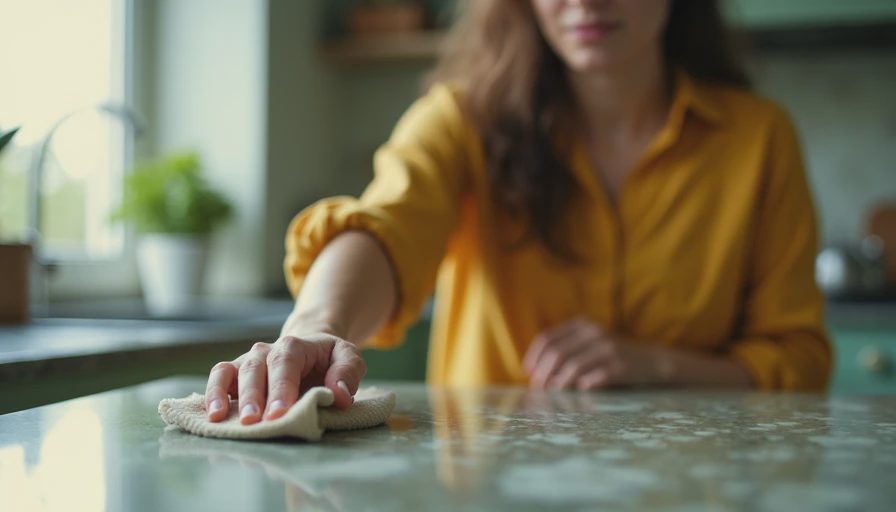
Learning how to clean stone countertops starts with one important rule: use the mildest product that removes the mess. Natural stone and engineered quartz can look tough, but acidic cleaners, abrasive powders, and prolonged moisture can dull the surface, weaken a sealer, or leave a cloudy film. A reliable routine is simple: remove crumbs, wipe with warm water and a small amount of mild dish soap, rinse away residue, and dry the surface completely.
The right method depends on the material. Granite is dense but usually needs periodic sealing. Marble and limestone are more vulnerable to acids because they contain minerals that can etch. Quartz is engineered and nonporous, yet strong solvents, high heat, and harsh scouring pads can still damage its finish. Before using a new cleaner, identify the counter and read the product label.
How to Clean Stone Countertops Every Day
For everyday spills, use a soft microfiber cloth, warm water, and a few drops of neutral dish soap. Spray the solution onto the cloth rather than flooding the counter. Wipe in overlapping passes, paying attention to the area around the sink, stove, and backsplash where grease and food residue collect. Follow with a clean damp cloth to remove soap, then dry with a fresh towel.
This approach works well because it removes dirt without leaving a heavy chemical film. Paper towels are acceptable for quick spills, but microfiber is better for regular care because it lifts grease and small particles without scratching. Avoid steel wool, rough scrub pads, powdered cleansers, and brushes with stiff metal bristles.
Clean spills promptly, especially coffee, wine, tomato sauce, citrus juice, vinegar, and cooking oil. A sealed granite surface may resist staining, but no sealer makes stone completely spill-proof. Marble is especially sensitive to lemon juice and vinegar. These liquids can create dull spots even when the counter is otherwise clean.
Choosing a Safe Stone Countertop Cleaner
When deciding how to clean stone countertops, look for a pH-neutral cleaner labeled for natural stone or quartz. Granite Gold, StoneTech, and similar stone-care products are commonly designed for this purpose. A mild dish soap is usually enough for routine cleaning, while a dedicated cleaner can help reduce streaks on a large island or heavily used kitchen.
Do not assume that a product marketed as natural is automatically safe. Vinegar, lemon-based sprays, bleach mixtures, and many bathroom cleaners can cause problems. Acidic ingredients can etch marble, travertine, and limestone. Strong alkaline or solvent-based products can affect some finishes, damage nearby caulk, or leave discoloration. Never mix bleach with ammonia, vinegar, or another household cleaner.
Test an unfamiliar product in a hidden corner first. Apply a small amount, wait according to the label, wipe it away, and inspect the area in bright light after it dries. If the test spot looks cloudy, lighter, rougher, or unusually glossy, do not use that cleaner on the full surface.
Removing Grease, Dried Food, and Sticky Residue
Grease often needs more than a plain water wipe. Start with warm water and a small amount of dish soap. Let the damp cloth rest over the residue for several minutes to soften it, then wipe gently. For dried food, use a plastic scraper held nearly flat against the counter. Do not use a knife, razor blade, or metal scraper, which can leave scratches or chips.
For stubborn grease, apply a stone-safe degreaser according to its instructions. Work in a small area and rinse thoroughly. Multiple gentle passes are safer than one aggressive scrubbing session. If a sticky label or adhesive remains, ask the stone manufacturer about an approved remover before applying rubbing alcohol, acetone, or citrus solvent. Some materials tolerate these products, but the surrounding finish and sealant may not.
Quartz counters can usually handle ordinary kitchen grease well, but they still need rinsing after cleaning. A faint haze is often dried soap or cleaner residue rather than permanent damage. Wipe with clean water and dry with microfiber before deciding that the surface has changed.
Treating Stains on Granite, Marble, and Quartz
A surface stain is different from an etched mark. A stain changes the color because material has entered the stone. Etching changes the surface itself, leaving a dull or rough-looking spot. Cleaning can sometimes remove a stain, but it cannot restore an etched finish. Marble etching commonly follows contact with wine, citrus, vinegar, or acidic descalers.
For a fresh stain, blot rather than rub. Rubbing can spread oil or pigment across a larger area. For oil marks on natural stone, a poultice made for stone can draw material from the pores. Follow the package directions, allow the poultice to dry fully, and remove it carefully. Several treatments may be needed for an older stain.
Avoid homemade mixtures involving baking soda, hydrogen peroxide, bleach, or flour unless a stone-care professional confirms that the combination is suitable. DIY chemistry can lighten pigment unevenly or damage a polished surface. If a dark ring remains after careful cleaning, the problem may involve moisture below the surface, failed sealer, or a finish defect.
Sealing and Preventing Future Damage
Knowing how to clean stone countertops is only part of maintenance. Some natural stones need resealing because the protective treatment wears down through use and cleaning. Granite often benefits from periodic evaluation, while marble and porous limestone may require more attention. Quartz generally does not need sealing because its resin-based surface is nonporous.
To check a natural stone counter, place a few drops of water in an inconspicuous area and leave them briefly. If the stone darkens quickly, it may be absorbing moisture and deserve a professional assessment. This test is not a substitute for the manufacturer’s care instructions, but it can identify a counter that needs attention.
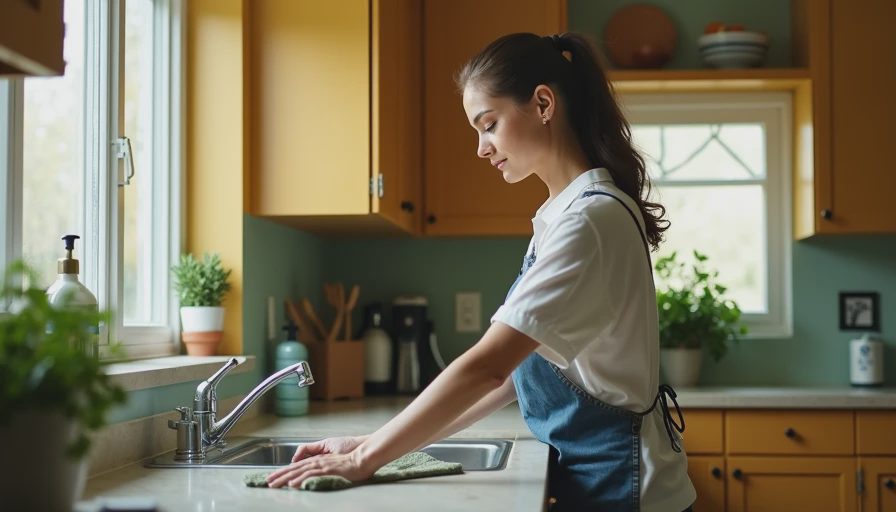
Use trivets under slow cookers, pans, and hot baking dishes. Put cutting boards under food preparation, even on durable quartz. Keep cosmetics, hair products, and harsh cleaners away from bathroom stone. Wipe standing water around faucets, and repair loose caulk before moisture reaches the cabinet or wall behind the counter.
A Practical Weekly Cleaning Checklist
Once a week, clear the counter completely and inspect the surface under strong light. Remove crumbs from seams and the backsplash line. Wipe the counter with a diluted mild soap solution or a pH-neutral stone cleaner. Rinse with a clean damp cloth, then dry from the back edge toward the front. Look for cloudy patches, chips, cracks, loose sink edges, and areas that darken after wiping.
If a seam is separating or a crack is growing, cleaning will not solve the underlying issue. Document the location with a photo and contact the fabricator or a qualified stone professional. A small repair can be less disruptive than allowing water to reach cabinetry or subflooring.
The safest way to clean stone countertops is consistent and restrained: mild cleaner, soft cloth, prompt spill removal, complete rinsing, and thorough drying. Skip the harsh shortcut. If the surface has etching, deep staining, or a failing finish, professional honing, polishing, or resealing is usually a better investment than repeated scrubbing.
Keep Reading

Upholstery Cleaner: A Practical Guide for Commercial Facilities
Upholstery cleaner guidance for commercial facilities: compare formulas, protect...

Where to Buy Furniture: A Practical Guide for Commercial Property Buyers
Where to buy furniture for a commercial office, waiting room, or break area: com...

Palm Tree Types: A Practical Guide for Property Owners
Palm tree types explained for property owners: learn how species, roots, fronds,...
Owner Letters
0 lettersNo letters yet — be the first to write one.