How to Deep Clean a House Room by Room Without Missing the Details
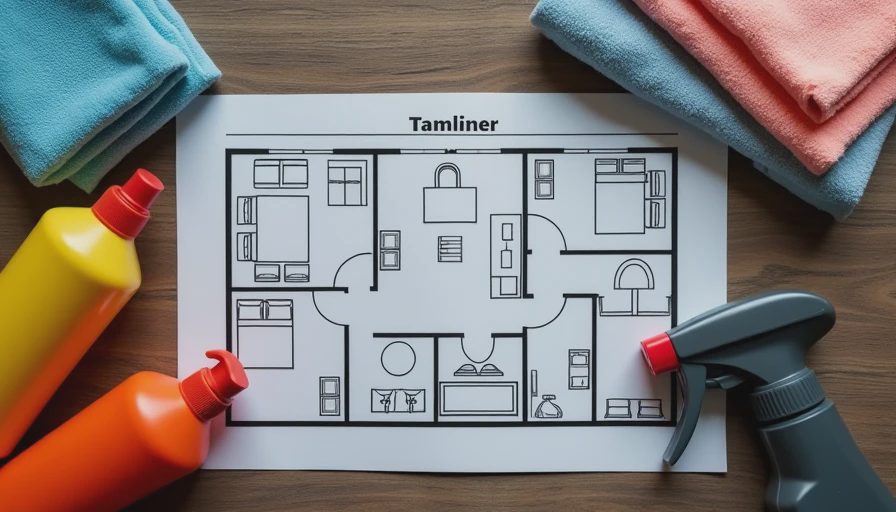
Learning how to deep clean a house room by room is less about buying a shelf full of products and more about following a repeatable sequence. Work from dry to wet, high to low, and clean areas in an order that keeps dust and grime from traveling back onto finished surfaces. Set aside several hours, open a window when practical, and gather microfiber cloths, a vacuum with attachments, a mop, scrub brushes, a bucket, gloves, and suitable cleaners before starting.
A deep clean should be more thorough than a normal weekly reset. It includes overlooked edges, baseboards, light fixtures, vents, cabinet fronts, door hardware, upholstery, and the spaces beneath or behind furniture. If you are cleaning after moving, preparing for guests, or dealing with months of buildup, divide the work into manageable blocks instead of trying to finish the entire house in one exhausting pass.
Start with a practical cleaning plan
The most efficient approach to how to deep clean a house room by room begins with preparation. Walk through the home and remove trash, laundry, dishes, and items that belong elsewhere. Put misplaced objects into a basket and return them after the cleaning is complete. Clutter hides dirt and forces you to clean the same surface twice.
Next, read product labels and never mix bleach with ammonia, vinegar, or other cleaners. Use ventilation, wear gloves, and test a cleaner on a hidden area before applying it to wood, stone, painted walls, or delicate fabric. Keep a separate cloth for bathrooms and avoid using a kitchen sponge in multiple rooms.
Clean ceilings, fans, shelves, and upper surfaces first. Then move to furniture, counters, doors, and baseboards. Finish with vacuuming and mopping the floor. This order lets falling dust land on surfaces that you have not cleaned yet. A small caddy or bucket saves repeated trips and helps you notice when a cloth or water needs changing.
How to deep clean a house room by room: living areas
Start in the living room, family room, or home office by removing cushions and vacuuming underneath them. Use the upholstery attachment on sofas and chairs, paying attention to seams where crumbs and pet hair collect. Dust lampshades gently, wipe lamp bases, and clean ceiling fan blades with a slightly damp microfiber cloth so dust does not scatter across the room.
Wipe shelves, picture frames, electronics stands, windowsills, and cabinet tops. Do not spray cleaner directly onto a television, computer, speaker, or other electronic device. Apply a small amount to a cloth instead. Vacuum curtains if the fabric permits, or wash them according to their care label. Clean fingerprints from doors, knobs, remote controls, and light switches.
For floors, move lightweight furniture when possible and use a crevice tool along wall edges. Vacuum rugs on both sides if the material allows. Hardwood needs a lightly damp mop rather than standing water, while tile can usually tolerate a more thorough pass. Check the floor manufacturer’s instructions before using steam or strong chemicals.
Kitchen cleaning that removes hidden grease
The kitchen usually needs more contact time because grease bonds with dust. If you are learning how to deep clean a house room by room, clean this space in sections. Empty the refrigerator, discard expired food, and wipe shelves with warm soapy water. Clean the door seal and handles, where spills and fingerprints accumulate.
Wipe cabinet doors, pulls, backsplash areas, and the wall behind the range. Degrease the stovetop according to its surface type, and remove burner grates or drip trays if they are designed to come off. Clean the microwave interior by loosening dried food with steam from a cup of water, then wipe the ceiling, sides, turntable, and door.
Run the dishwasher’s filter through clean water if the model has a removable filter. Wash the sink basin, faucet, drain area, and garbage disposal splash guard. Clear crumbs from the toaster and wipe the outside of small appliances. Finish by vacuuming under movable appliances and mopping the floor, including the corners beside cabinets.
Bathrooms need detail, not just disinfectant
Bathrooms should be cleaned from the least dirty areas toward the toilet. Wipe mirrors, light fixtures, shelves, and cabinet fronts first. Apply an appropriate cleaner to the shower or tub and allow it to sit for the label’s recommended time. That contact time is what helps dissolve soap film and mineral residue; immediately wiping it away often leaves the hardest grime behind.
Scrub grout lines, corners, the shower door track, faucet bases, and the underside of fixtures. Use a soft brush on caulk and avoid abrasive pads on finishes that scratch easily. Wash or replace the shower curtain liner if it has persistent mildew. Clean exhaust fan covers carefully, and vacuum dust from the vent area once the power is off.
Disinfect the toilet seat, lid, handle, exterior, and floor around the base. Wash the bath mat and towels, empty the trash, and wipe the door handle and light switch. Never combine toilet-bowl cleaner with bleach or another product. Rinse surfaces where the label requires it and allow the room to dry fully.
Bedrooms, closets, and laundry spaces
Bedrooms are easier when bedding comes off first. Wash sheets, pillowcases, blankets, and mattress protectors according to their care instructions. While the bed is bare, vacuum the mattress surface and inspect seams for dust or debris. Rotate the mattress only if the manufacturer permits it, then wipe the bed frame and headboard.
Dust ceiling fans, blinds, window trim, dressers, nightstands, and baseboards. Vacuum under the bed and along closet edges. In closets, remove shoes and clothing from the floor, then sort items before wiping shelves. Do not put damp clothing or fabric back into storage, since trapped moisture can create odor and mildew.
In the laundry area, wipe the washer and dryer exteriors, detergent drawers, door seals, and lint-trap housing. Clean the dryer lint screen every load and vacuum the accessible area around it. A heavily clogged or damaged dryer vent needs professional attention because restricted airflow increases fire risk. Finish by sweeping behind machines only if they can be moved safely.
Floors, touchpoints, and the final inspection
The final stage of how to deep clean a house room by room is a slow inspection rather than a quick victory lap. Vacuum every room again, including stairs, corners, vents, and the edges where flooring meets baseboards. Use the correct attachment for rugs, hardwood, tile, and carpet. Mop from the farthest room toward the exit so you do not walk across wet floors.
Inspect high-touch points such as door handles, cabinet pulls, stair rails, switches, thermostat buttons, and appliance handles. Replace dirty HVAC filters with the correct size, wipe trash-can lids, and clean entry mats. Look behind furniture for lost items, moisture marks, damaged caulk, or stains that need a separate repair instead of more scrubbing.
How to deep clean a house room by room becomes much easier when you record what should happen next. Note a loose faucet, cracked grout, peeling paint, or a leaking appliance rather than covering the problem with cleaner. The cleanest room is still vulnerable if a water source or damaged seal is left unresolved. Once the floors dry, return only the items you use, wash your tools, and store products safely. A room-by-room method gives you a cleaner home today and a clearer maintenance routine for the next reset.
Keep Reading
Upholstery Cleaner: A Practical Guide for Commercial Facilities
Upholstery cleaner guidance for commercial facilities: compare formulas, protect...

Where to Buy Furniture: A Practical Guide for Commercial Property Buyers
Where to buy furniture for a commercial office, waiting room, or break area: com...

Palm Tree Types: A Practical Guide for Property Owners
Palm tree types explained for property owners: learn how species, roots, fronds,...
Owner Letters
0 lettersNo letters yet — be the first to write one.