
How to Kill Maggots Safely and Prevent Them From Returning

Learning how to kill maggots starts with finding what attracted them. Maggots are fly larvae, and they usually appear where flies have found damp organic material such as spoiled food, pet waste, a dead animal, or an overfilled trash container. Killing the visible larvae helps, but removing the breeding source is what stops the problem from returning. The roof doesn’t care about the sales pitch, and neither does a sanitation problem: evidence matters more than a quick cosmetic fix.
Find the source before cleaning
Before reaching for a chemical, inspect the area carefully. Check the bottom and underside of trash bags, the space beneath a refrigerator, garbage disposal openings, pantry corners, floor drains, compost bins, and outdoor containers. In a commercial building, inspect loading docks, dumpster enclosures, break rooms, mop sinks, and roof drains if food waste or animal remains could have collected nearby. A strong odor, wet cardboard, leaking garbage, or a dead rodent can point directly to the source.
Wear disposable gloves, closed-toe shoes, and clothing that can be washed immediately. Keep children and pets away while you work. If the infestation involves a dead animal, sewage, extensive waste, or a large commercial area, contact a pest-control or sanitation professional rather than handling contaminated material casually. The decision is never just whether larvae are present; it is about the failure path, the source, and how far contamination has spread.
For a small indoor cluster, how to kill maggots safely usually involves hot water, removal, and disinfecting rather than aggressive pesticide use. Boil water and pour it slowly over the larvae, taking care not to splash yourself or damage flooring, plastic, painted surfaces, or plumbing. Hot tap water can work on surfaces that cannot tolerate boiling water. After the larvae stop moving, collect them with paper towels or a disposable scraper and seal everything in two trash bags.
Clean the affected area thoroughly
Once you know how to kill maggots, cleaning becomes the more important part of the job. Remove the material that supported them, then place it in a sealed outdoor container. Do not leave the bag beside an open door or in a garage where flies can continue reaching it. Wash hard surfaces with hot, soapy water first. Soap removes grease and residue that can protect organic material. After rinsing, apply an appropriate household disinfectant according to its label directions.
Never mix bleach with ammonia, vinegar, or other cleaners. The resulting fumes can injure your lungs and eyes. Ventilate the room, follow the product label, and allow the surface to remain wet for the stated contact time before wiping it dry. Porous materials such as unfinished wood, saturated cardboard, carpet padding, or heavily contaminated insulation may need to be discarded because surface cleaning cannot reliably remove material below the top layer.
Drains deserve special attention. Flies can breed in the organic film inside a slow or rarely used drain, especially where moisture remains for long periods. Remove and clean the drain cover, scrub reachable buildup with a suitable brush, and flush the line with hot water. If the odor or larvae return, a plumber or pest professional may need to inspect the trap and connected pipe. Pouring random chemicals into a drain can damage plumbing and create dangerous fumes without addressing the buildup.
When chemicals are appropriate
For how to kill maggots in a sealed trash bin, an enzyme-based cleaner or a labeled insect-control product may be useful after waste removal. Read the label carefully and confirm that the product is intended for the surface and location. Do not spray pesticides near food, food-contact surfaces, children, pets, or ventilation openings unless the label specifically permits that use. More product does not mean better control; it can create a residue problem and increase exposure.
Outdoor bins should be emptied, rinsed, and dried in sunlight when practical. A small amount of diluted disinfectant can be used only if the label permits it. Keep the lid closed and repair cracks that allow liquid to leak onto concrete. If a dumpster enclosure smells sour, has standing liquid, or repeatedly attracts flies, the property manager should arrange scheduled washing and inspect drainage. Repeated larvae are usually a maintenance signal, not a one-time cleaning inconvenience.
Do not use gasoline, kerosene, motor oil, or other flammable liquids to kill larvae. These materials create fire, inhalation, and soil-contamination hazards. They can also damage flooring and leave a more serious problem behind. Mechanical removal, hot water where safe, sanitation, and source control are the sounder sequence.
Prevent the next infestation
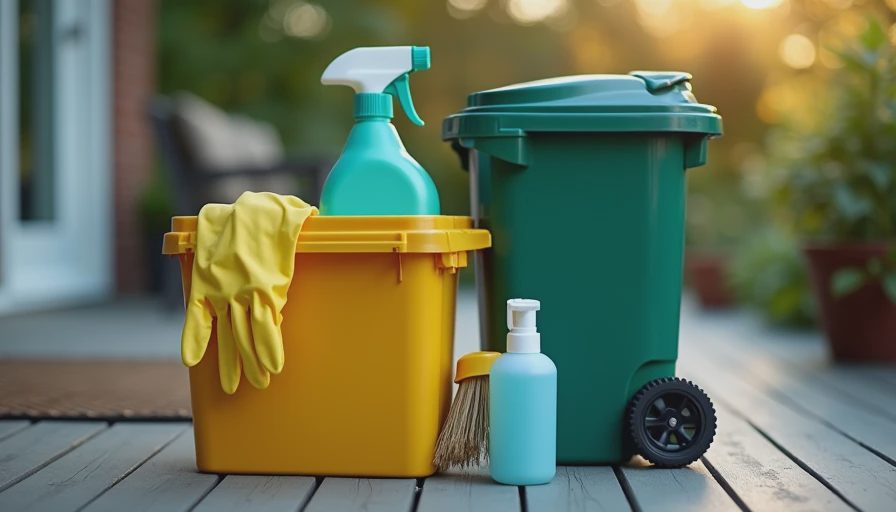
After learning how to kill maggots, prevention should become routine. Use tightly sealed trash bags, empty indoor waste daily when food is present, and rinse cans before residue dries. Store meat scraps in a sealed container or freezer until collection day. Clean spills immediately, including under appliances and shelving. Pet owners should remove feces promptly and wash food bowls regularly. Keep window screens intact and close doors that open toward dumpsters or compost areas.
In offices, warehouses, restaurants, and multifamily properties, assign ownership for waste areas instead of assuming someone else handles them. A short inspection twice a week can catch leaking bags, standing water, broken lids, and fly activity before larvae appear. Keep a dated photo record when the issue is recurring. That documentation helps identify whether the problem follows a particular tenant, pickup schedule, drain, loading area, or container.
Weather can also increase activity. Warm conditions accelerate fly development, while storms can spread food residue and wet waste across pavement. Roof and building-envelope problems can contribute when clogged drains, wet insulation, or openings allow organic debris and moisture to remain hidden. If larvae appear near a roof drain or wall cavity, do not simply seal the area. Find the moisture and contamination source first.
When to call a professional
A professional is the right choice when maggots cover a large area, appear inside walls or ceilings, return after thorough cleaning, or are associated with a dead animal, sewage backup, or damaged insulation. Call promptly if anyone develops breathing difficulty, severe eye irritation, vomiting, or other symptoms after using cleaners or pesticides. Move to fresh air and contact emergency services or poison control when exposure is serious.
For how to kill maggots in a commercial property, the scope should include removal, cleaning, waste handling, fly control, and inspection of nearby drains and building openings. A pest technician can identify the fly species and breeding conditions, while a plumber or building professional can address hidden moisture. A patch is not a plan when the source remains active.
The practical sequence is simple: isolate the area, remove the breeding material, kill the visible larvae safely, clean and disinfect compatible surfaces, and correct the moisture or waste condition that caused the infestation. That is how to kill maggots without turning a small sanitation problem into a chemical, plumbing, or building-maintenance problem.
Keep Reading

Upholstery Cleaner: A Practical Guide for Commercial Facilities
Upholstery cleaner guidance for commercial facilities: compare formulas, protect...

Where to Buy Furniture: A Practical Guide for Commercial Property Buyers
Where to buy furniture for a commercial office, waiting room, or break area: com...

Palm Tree Types: A Practical Guide for Property Owners
Palm tree types explained for property owners: learn how species, roots, fronds,...
Owner Letters
0 lettersNo letters yet — be the first to write one.