
Tone Earth Roofing: A Practical Guide for Commercial Buildings
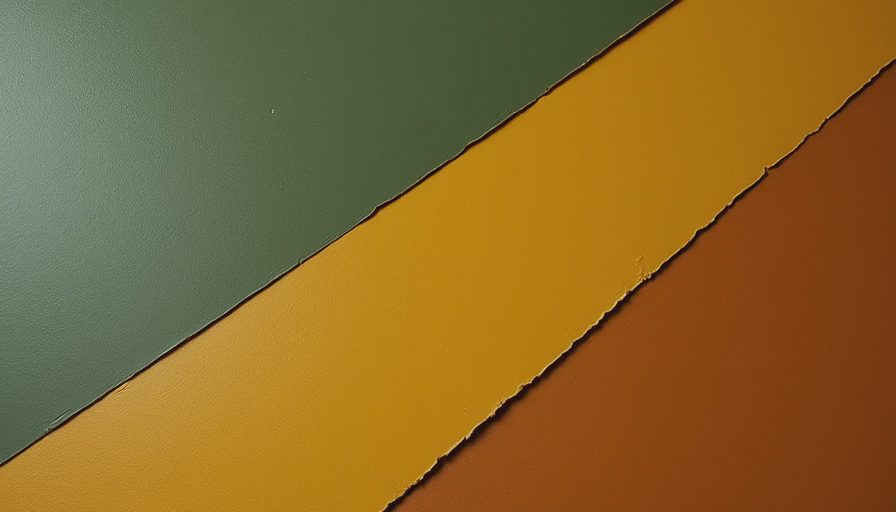
The phrase tone earth usually points to earth-toned roofing colors and finishes, but color is only one part of a commercial roof decision. Owners still need to evaluate membrane condition, drainage, insulation, flashing, seams, and the cost of future maintenance. A roof can look appropriate from the parking lot and still have wet insulation or failing edge metal underneath.
When a property team searches for tone earth options, I treat that request as a design preference that needs to be tested against roof performance. The roof does not care about the sales pitch. It responds to ultraviolet exposure, thermal movement, standing water, punctures, poor detailing, and installation quality. Color can support a building’s appearance, but it cannot rescue a weak assembly.
What tone earth usually means on a commercial roof
In practice, tone earth describes a family of subdued colors: tan, sand, clay, brown, muted green, gray-beige, and other finishes that sit comfortably beside brick, stone, stucco, wood, or metal panels. These colors are common on retail centers, office buildings, multifamily properties, schools, and light industrial sites where a bright white or highly reflective roof may not fit the visual plan.
The exact finish depends on the roofing system. TPO and PVC membranes are available in multiple colors, although white, gray, and tan are more common than deep brown. Modified bitumen may use mineral surfaced cap sheets in earth-related colors. Coating manufacturers also offer tan, gray, and other pigmented products, but a coating is not a substitute for sound membrane, dry insulation, and properly repaired seams.
Before approving a color, ask what the manufacturer actually warrants. Some custom colors have limited availability, longer lead times, or fewer compatible accessories. A maintenance department should also know whether future repair material will match closely enough to avoid a patchwork appearance.
Color, heat, and roof service conditions
A tone earth selection can affect surface temperature, but shade alone does not determine energy performance. A light tan roof generally absorbs less solar energy than a dark brown roof under the same conditions. Roof insulation, membrane thickness, air leakage, interior loads, ventilation, climate, and HVAC efficiency matter as well. In a Denver warehouse, a tan membrane may behave differently through intense sun, cold nights, and snow than it would on a humid Gulf Coast building.
Dark finishes can increase heat absorption, which may raise membrane temperatures and increase thermal movement. That does not automatically make a dark roof a bad choice. A well-designed assembly with adequate insulation, sound seams, and proper expansion detailing can perform reliably. The issue is whether the designer and contractor have accounted for the local exposure and the selected product.
For a tone earth project, request the product data sheet, solar reflectance information when available, expected lead time, warranty limitations, and compatible flashing details. A color sample viewed on a laptop is not enough. Put a physical sample beside the building’s masonry and inspect it in direct sun and shade.
Match the appearance to the actual roof system
Appearance-driven decisions often become expensive when they force a property into the wrong system. If an existing EPDM roof is still dry, well-adhered, and structurally serviceable, a compatible restoration or overlay might extend its useful life. If seams are opening, insulation is saturated, and water is trapped across large areas, a new color will not solve the failure path.
For a tone earth specification, compare the following assemblies before writing the color into the bid:
A TPO or PVC membrane can provide heat-welded seams and a clean finished appearance. It is often selected for large commercial roofs, but the installer’s welding technique and detail work around penetrations remain critical. EPDM is flexible and proven, though seam adhesives and flashing transitions require careful inspection. Modified bitumen offers a layered membrane approach and can suit buildings where robust surfacing and repair familiarity matter. A restoration coating may be economical when the substrate is dry and the roof has adequate remaining life, but coatings need proper cleaning, adhesion testing, reinforcement, and thickness control.
The best appearance is the one that remains attached, watertight, and maintainable after several winters. A beautiful color on a failing substrate is an expensive disguise.
Where color requests hide larger maintenance issues
When I inspect a roof selected around tone earth preferences, I look beyond the visible finish. Ponding water leaves dirt rings, algae, and uneven discoloration that can make a roof appear older than it is. More important, persistent ponding can expose weak seams and accelerate deterioration around drains. A low area that holds two inches of water after a storm deserves a drainage conversation, not a color conversation.
Check roof drains, scuppers, gutters, pitch pockets, curb flashings, parapet transitions, and metal edge securement. Look for membrane shrinkage, fishmouths, open laps, exposed reinforcement, blisters, and repeated patches. Interior evidence matters too: stained ceiling tiles, peeling paint, musty insulation, and recurring leaks near rooftop equipment can indicate moisture migration beyond the original entry point.
A roof survey should include dated photographs, roof plan locations, moisture readings where appropriate, repair history, and a simple urgency ranking. Separate active leaks from aging that can be budgeted. This keeps a color upgrade from distracting the team from conditions that threaten inventory, tenant operations, or electrical equipment.
Building a useful bid and warranty scope
Put the preferred tone earth color in the specifications, but do not let it become the main quality requirement. The bid should identify the membrane manufacturer and thickness, insulation type and R-value, cover board, attachment method, flashing materials, edge metal, drainage work, sheet metal transitions, walkway pads, and required testing.
Ask each contractor to state what happens at wet insulation, deteriorated decking, abandoned equipment, and unexpected substrate damage. Unit prices are useful: water-damaged insulation might be priced by square foot, while replacement of edge metal or a drain assembly may be listed by linear foot or each. These numbers make change orders easier to evaluate.
For a tone earth roof, request a written sample approval process and confirmation that the selected color is covered by the manufacturer’s warranty. Keep spare membrane, coating, or sheet metal components in the building file. Five years later, that documentation can save days of searching when a curb or penetration needs repair.

Repair, restore, or replace: a field decision
A small leak does not automatically require replacement, and an attractive surface does not prove that repair is enough. A localized puncture away from seams may be repaired after the surrounding membrane is confirmed sound. Several leaks along one failing seam line may call for a larger section repair. Widespread wet insulation, recurring ponding, brittle membrane, or widespread flashing failure usually points toward replacement or a carefully engineered recovery system.
The decision is never just leak or no leak. It is failure path, scope, and timing. If a roof has three years of realistic service left, a targeted repair plan may protect cash flow while the owner budgets a replacement. If a roof is already damaging inventory or disrupting tenants, postponing major work can turn a planned project into an emergency.
A patch is not a plan. Document why the repair is appropriate, what area was tested, and what condition would trigger the next phase of work. That record helps the next manager understand the roof instead of restarting the investigation from zero.
A practical owner checklist
Before approving a tone earth roofing project, walk through these questions:
- Is the requested color compatible with the selected membrane, coating, flashing, and accessory products?
- Has the roof been inspected for wet insulation, damaged decking, open seams, and failed penetrations?
- Does the drainage plan address recurring ponding instead of simply covering the low areas?
- Are manufacturer requirements and warranty terms written into the scope?
- Are removal, disposal, safety, staging, and tenant-protection costs included?
- Are repair allowances and unit prices clear enough to control change orders?
- Will the maintenance team receive photographs, product data, warranty documents, and as-built roof plans?
The strongest project balances appearance with evidence. Tone earth can work well when it fits the building and the assembly, but the roof still needs correct slope, dry materials, reliable seams, durable flashings, and a maintenance plan. Start with an inspection, compare complete systems, and request bids that explain the failure risks. The right color is a finishing decision; keeping water out is the real job.
Keep Reading

Upholstery Cleaner: A Practical Guide for Commercial Facilities
Upholstery cleaner guidance for commercial facilities: compare formulas, protect...

Where to Buy Furniture: A Practical Guide for Commercial Property Buyers
Where to buy furniture for a commercial office, waiting room, or break area: com...

Palm Tree Types: A Practical Guide for Property Owners
Palm tree types explained for property owners: learn how species, roots, fronds,...
Owner Letters
0 lettersNo letters yet — be the first to write one.