
Backyard Landscaping Ideas That Hold Up in Real Life
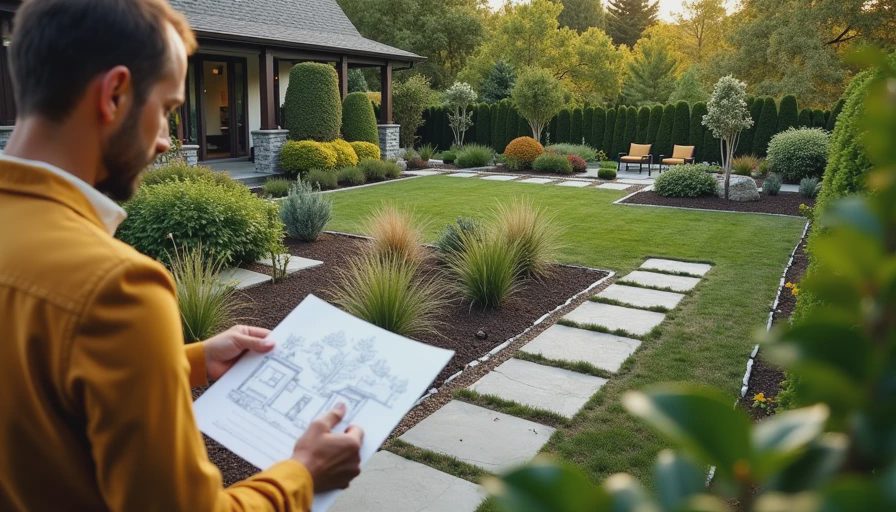
Good backyard landscaping ideas start with how you use the space, not with a catalog photo. A yard for weekend grilling needs different choices from one designed for children, pets, gardening, or quiet morning coffee. Before buying plants or calling a contractor, study drainage, sun exposure, access, and maintenance. Those four details determine whether your finished yard stays enjoyable or becomes another weekly chore.
The most successful projects also separate permanent work from decorative updates. Grading, retaining walls, patios, irrigation, and drainage deserve careful planning because mistakes are expensive to correct later. Plants, mulch, containers, and outdoor furniture are easier to change. That distinction helps you spend money where it improves function first.
Start With the Yard You Already Have
Walk the property after a heavy rain if possible. Notice where water collects, where downspouts discharge, and whether soil washes toward the foundation or neighboring property. A beautiful patio cannot compensate for standing water underneath it. If the lot slopes sharply, a landscape designer or drainage contractor can help determine whether you need a swale, a French drain, a catch basin, or a small retaining wall.
Next, sketch the yard from above. Mark the back door, utility lines, mature trees, fences, air-conditioning equipment, and areas that receive full sun or shade. Measure the usable space rather than guessing. A ten-foot patio may sound generous until you place a table, grill, and four chairs on it. These simple observations make backyard landscaping ideas more realistic and prevent a plan from crowding the property.
Think about circulation as well. People should be able to move from the house to the patio without crossing muddy planting beds. Gates should open fully, trash bins need a practical route, and lawn equipment should not have to pass through a living room. Good layout is usually invisible because it feels natural.
Build a Functional Outdoor Room
A patio is often the anchor of a backyard project, but it does not have to cover the entire yard. A 12-by-16-foot paver area can accommodate a dining table, while a smaller six-foot pad may work for two lounge chairs and a fire bowl. Concrete typically offers a lower starting price, while pavers provide easier spot repairs if one section settles or cracks. Natural stone creates a distinctive appearance but usually requires a larger material and installation budget.
Add shade before adding too many decorations. A pergola, retractable awning, shade sail, or strategically placed tree can make an otherwise hot patio usable in July. Leave enough clearance around grills and fire features, and use noncombustible surfaces where local rules or manufacturer instructions require them. Outdoor lighting should guide steps and walkways without shining directly into a neighbor's windows.
For families, consider a flexible zone rather than installing one oversized feature. An open lawn can handle play, seasonal seating, and temporary games. A level gravel or paver strip can support a stock-tank pool in summer and become a seating area later. The best backyard landscaping ideas give one area several jobs instead of filling every square foot with permanent construction.
Choose Plants for Conditions, Not Just Appearance
Plant selection should follow the site. A sunny, dry strip beside a driveway calls for different plants than a damp corner beneath mature trees. Native and regionally adapted plants often need less supplemental water once established, but they still need appropriate soil preparation and early care. Grouping plants with similar water needs makes irrigation more efficient and simplifies maintenance.
Use layers to create structure. Evergreen shrubs can provide year-round screening, medium-height perennials add seasonal color, and low ground covers soften paths or wall edges. One or two small ornamental trees can create shade and scale without overwhelming a modest yard. Avoid planting large trees directly over patios, underground utilities, or septic components.
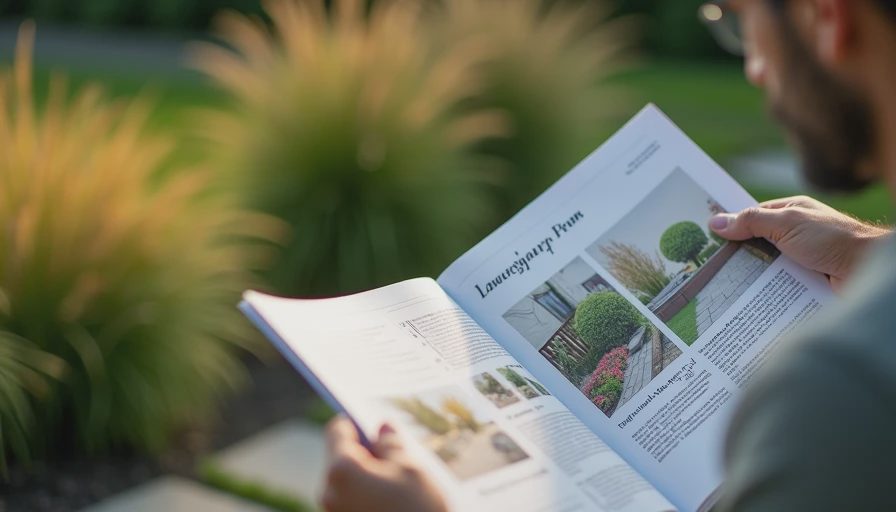
A practical planting plan also accounts for mature size. A shrub sold in a three-gallon container may eventually become six feet wide. Leave room for airflow, pruning, and access to the house. Crowded plants often become stressed, hide siding or windows, and require expensive removal. If you want backyard landscaping ideas that remain manageable, draw the mature spread on paper before purchasing.
Use Hardscape Materials Carefully
Hardscape decisions affect drainage, comfort, and repair costs. Pavers are popular because damaged sections can be lifted and reset, but the base must be compacted correctly. Poor preparation leads to rocking stones, low spots, and weeds in the joints. Concrete is simple and durable when properly reinforced and placed, yet cracking can occur from soil movement, freeze-thaw cycles, or tree roots.
Gravel is often economical for paths and seating areas, especially when a permeable surface is useful. It can shift under furniture and may spread into lawns, so use edging and choose a compatible stone size. Timber edging is inexpensive but may rot; metal, brick, or concrete edging generally lasts longer. Backyard landscaping ideas should account for how each material ages, not only how it looks on installation day.
Retaining walls deserve special attention. Even a short wall holds back significant soil, and taller or engineered walls may require permits, reinforcement, or professional design. Provide drainage behind the wall so hydrostatic pressure does not push it forward. A contractor who talks only about blocks and color but ignores water management is missing the important part.
Control Maintenance and Long-Term Cost
A low-maintenance yard is not a no-maintenance yard. It still needs pruning, irrigation checks, weed control, seasonal cleanup, and occasional repairs. The goal is to make those tasks predictable. Keep lawn areas simple, use mulch where it helps retain moisture, and avoid narrow strips that are difficult to mow or edge.
Irrigation can protect a new investment, but an oversized system wastes water and encourages shallow planning. Drip lines work well for many beds, while rotors or spray heads may suit open lawn. Include a shutoff, accessible valves, and separate zones for turf and planting beds. A basic timer is useful, but inspect coverage by hand because clogged heads and broken lines are common failure points.
Budget for establishment care during the first year. New trees and shrubs may need regular watering even if they are marketed as drought tolerant. Reserve roughly 10 to 20 percent of the project budget for soil amendments, extra drainage work, replacement plants, or small changes discovered during excavation. This is more useful than spending every dollar on decorative features at the start.
A Practical Planning Sequence
Begin with measurements, drainage observations, and a written use list. Decide whether the priority is entertaining, privacy, play, food production, shade, or easier maintenance. Then set the permanent elements: access paths, grading, drainage, utilities, patio location, and retaining structures. Once those pieces are settled, choose plants and furnishings that fit the remaining spaces.
Request detailed estimates when the project involves excavation or construction. The scope should identify demolition, base preparation, drainage materials, concrete or paver thickness, planting soil, irrigation, cleanup, and warranty terms. Comparing only the final price can hide important differences. A $12,000 patio with proper base work may perform better than a $9,000 installation that leaves out excavation and drainage.
Backyard landscaping ideas work best when phased intelligently. You might complete grading and the main patio this year, add trees next spring, and finish lighting or a planting border later. Phasing protects cash flow while preserving a coherent design. Do not install plants where a future utility trench or wall will disturb their roots.
The roof doesn't care about the sales pitch, and neither does a backyard after the first hard rain. Look for a plan that manages water, supports daily use, and can be maintained without heroic effort. Compare materials by repairability, plants by mature behavior, and contractors by the scope they put in writing. With those checks in place, backyard landscaping ideas become a practical investment in usable outdoor space rather than an expensive collection of attractive details.
Keep Reading
Quartz vs quartzite: A Practical Countertop Comparison
Quartz vs quartzite: compare durability, cost, maintenance, appearance, and inst...
Stair Treads for Commercial Roof Access: A Practical Safety Guide
Stair treads can reduce slip risk on commercial access stairs. Compare materials...

Loft House Roofing: A Practical Guide to Roof Repairs and Replacement
Loft house roof guidance for owners: spot drainage, flashing, insulation, and me...
Owner Letters
0 lettersNo letters yet — be the first to write one.