
Quartz vs quartzite: A Practical Countertop Comparison
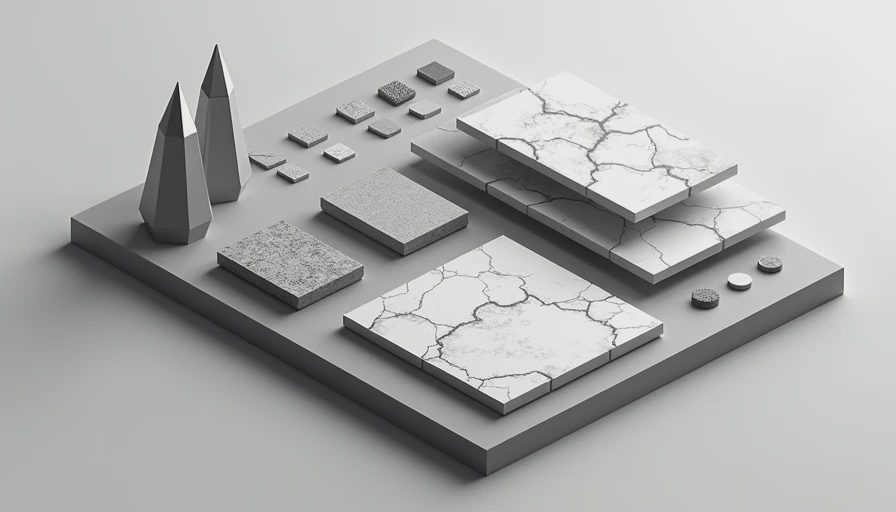
When comparing quartz vs quartzite, the names create more confusion than the materials deserve. Quartz countertops are engineered surfaces made from ground mineral content, resins, and pigments. Quartzite is a natural stone formed when sandstone changes under heat and pressure. Both can work well in kitchens, bathrooms, reception areas, and commercial interiors, but they behave differently once installed. The right choice depends on heat exposure, maintenance habits, appearance, budget, and the quality of fabrication.
What each material actually is
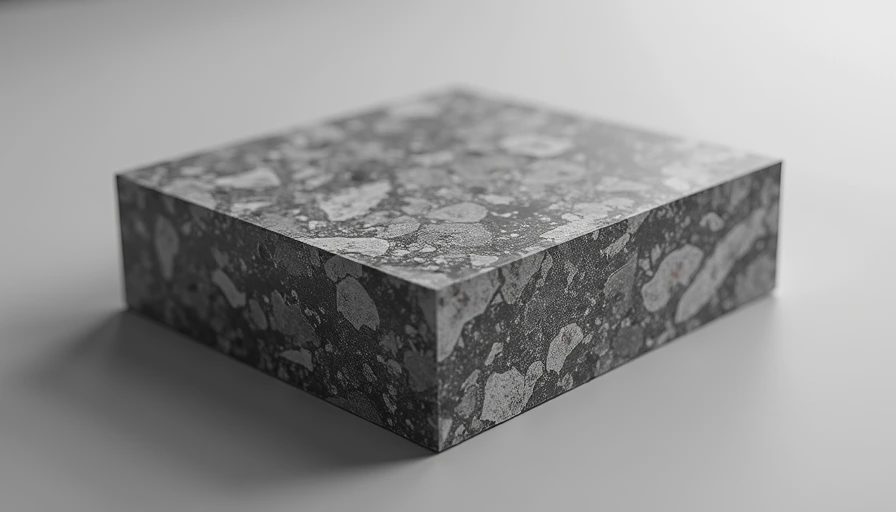
Quartz is manufactured in a factory. Brands such as Caesarstone, Cambria, Silestone, and MSI produce slabs with controlled colors and patterns. Because the surface is engineered, a buyer can usually order several slabs with a relatively consistent appearance. That predictability helps when a long island, multiple bathrooms, or a retail counter needs a coordinated finish.
Quartzite is quarried as a natural stone. Its veining, background color, and mineral movement develop in the earth, so every slab is different. Some quartzite resembles marble with soft gray veins, while other varieties have dramatic blue, green, gold, or brown movement. A fabricator may need to lay out the slab carefully so the most attractive section appears on the island or visible counter run.
The basic distinction in quartz vs quartzite is therefore engineered consistency versus natural variation. Neither description automatically makes one superior. It simply establishes what kind of performance and appearance you are buying.
Durability and daily use
Quartz is hard, nonporous, and suitable for normal food preparation and bathroom use. Its resin component helps resist staining from coffee, wine, cooking oil, and common household spills. It does not require routine sealing, which is useful for busy households, rental units, offices, and facilities teams that do not want another maintenance task on the schedule.
Quartzite is also very hard and can perform for decades when properly fabricated and maintained. It generally handles scratching well and has strong resistance to ordinary wear. However, natural stone is not automatically maintenance-free. Most quartzite should be sealed, and the sealer may need renewal depending on the stone, use level, and product recommendation. A neglected slab can absorb staining around a sink or heavily used prep area.
Heat is where quartz vs quartzite deserves careful attention. Quartz can discolor or suffer resin damage from a very hot pan, slow cooker, or baking dish placed directly on the surface. Use trivets consistently. Quartzite has better heat tolerance because it is stone, although a sudden temperature change can still stress any countertop. Heat resistance does not mean indestructibility; a hot object should not be dragged across either material.
Appearance, seams, and layout
Quartz provides design control. A homeowner or designer can select a bright white, concrete look, subtle speckle, or marble-style pattern without accepting the full unpredictability of a natural slab. Some premium quartz products have convincing veining, but repeated patterns can become noticeable across a large installation. Ask to see full slabs rather than relying only on a small sample.
Quartzite offers depth that many printed or engineered patterns cannot fully duplicate. Minerals shift through the stone, and polished surfaces can show translucent areas or fine crystalline detail. That visual character is a major reason buyers accept a higher material price. It also means the installer must account for slab direction, vein matching, sink cutouts, and seam placement.
In a quartz vs quartzite decision, the seam plan matters almost as much as the slab. A skilled fabricator can make seams discreet, but no material eliminates them completely. Strong lighting, a long island, and contrasting patterns can make poor seam placement obvious. Request a drawing showing seams, overhangs, appliance openings, and the selected slab layout before fabrication begins.
Cost and installation planning
Installed quartz commonly falls in a midrange to premium price band, often about $60 to $120 per square foot depending on thickness, edge detail, brand, region, and project complexity. High-end colors, waterfall edges, backsplashes, and difficult access can push the total higher. Quartzite frequently costs about $70 to $150 or more per square foot installed, with rare or highly sought-after stones at the upper end.
Those are planning ranges, not guaranteed bids. Demolition, sink cutouts, plumbing changes, reinforcing a cabinet run, delivery, and stair access can materially change the invoice. A 40-square-foot countertop might have a very different final price from another 40-square-foot job if one includes a thick mitered edge and the other has a simple eased edge.
Quartz slabs are often easier to estimate because the color and pattern are more consistent. Quartzite requires a physical slab review, and the selected piece can affect both price and yield. Before approving a quote, confirm whether sealing, sink installation, edge treatment, removal, and disposal are included.
Maintenance and repair realities
Quartz generally needs only mild soap, water, and a nonabrasive cloth. Avoid harsh solvents, abrasive powders, and aggressive scouring pads. A stain that sits for hours is easier to remove than one that is baked on or chemically altered. Small chips at an exposed corner can often be repaired by a countertop specialist, but the repair may remain visible under close inspection.
Quartzite should be cleaned with a stone-safe product and protected from acidic spills when possible. Lemon juice, vinegar, wine, and some cleaners can etch certain stones or weaken a poorly maintained finish. Sealing does not make the slab stain-proof; it gives the material more resistance and more time for a spill to be cleaned.
One overlooked issue in quartz vs quartzite is the difference between a cosmetic problem and a structural one. A hairline mark near a sink may be an edge chip, a seam issue, or a crack caused by inadequate support. Do not grind or fill it casually. Photograph the area, check whether the cabinet has shifted, and have a qualified fabricator inspect the damage.
Which material fits the project?
Choose quartz when consistent color, low routine maintenance, and straightforward design control matter most. It is a practical fit for busy kitchens, multifamily renovations, rental properties, office break rooms, and bathrooms where staff or occupants should not need to manage sealing schedules. It also works well when the design calls for a clean, repeatable surface across several rooms.
Choose quartzite when natural stone character, high heat tolerance, and a one-of-a-kind appearance justify more selection and care. It can be an excellent choice for a prominent island, custom home, hospitality setting, or upscale lobby where the material itself is part of the visual statement. The installation team should be comfortable handling heavy slabs and planning natural veining.
The best answer in quartz vs quartzite is not based on a showroom label. Review samples in your actual lighting, bring home-cabinet dimensions, ask about the specific slab, and compare complete installed quotes. A lower material price can disappear if the layout creates extra seams or the edge profile is expensive.
A buyer’s inspection checklist
Before signing, confirm the slab manufacturer or quarry name, thickness, finish, edge profile, backsplash scope, and sink cutout details. For quartz, ask whether the selected pattern is printed, through-body, or designed to mimic natural veining. For quartzite, ask whether the slab has been tested for absorption and whether sealing is included.
Visit the fabricator if possible and inspect the actual slab under bright light. Look for fissures, repaired sections, resin-filled voids, and color shifts. These features are not necessarily defects, but they should be understood before cutting. Ask how the installer will support overhangs and where seams will land relative to a sink, cooktop, or seating area.
Finally, get maintenance instructions in writing. Save the product name, sealer information, invoice, and installation photos. The roof doesn’t care about the sales pitch, and neither does a countertop; performance comes from the actual material, sound fabrication, and correct care. With those facts in hand, quartz vs quartzite becomes a manageable project decision rather than a confusing terminology problem.
Keep Reading

Stair Treads for Commercial Roof Access: A Practical Safety Guide
Stair treads can reduce slip risk on commercial access stairs. Compare materials...

Loft House Roofing: A Practical Guide to Roof Repairs and Replacement
Loft house roof guidance for owners: spot drainage, flashing, insulation, and me...

Backyard Landscaping Ideas That Hold Up in Real Life
Backyard landscaping ideas for low-maintenance outdoor spaces. Compare layouts, ...
Owner Letters
0 lettersNo letters yet — be the first to write one.