
Shotgun House Roof Guide: Inspecting, Repairing, and Replacing the Roof
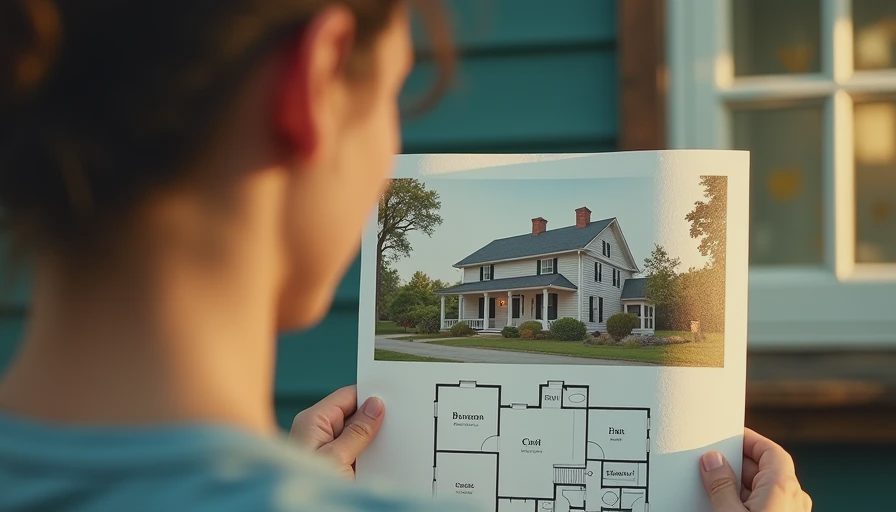
A shotgun house has a narrow, linear footprint that puts unusual demands on its roof and drainage details. If you own, manage, or are restoring a shotgun house, the roof deserves more than a quick look from the yard. A leak at the front may travel along rafters, ceiling finishes, or wall cavities before it becomes visible inside. The roof doesn’t care about the sales pitch. It responds to slope, flashing, ventilation, fasteners, underlayment, and years of weather exposure.
The most useful inspection starts with the roof shell, not the interior decoration. Look for active leaks, soft decking, displaced shingles, open seams, damaged metal, clogged gutters, and water stains that return after every storm. Then connect each symptom to a failure path and a realistic scope of work.
Why a Shotgun House Roof Needs a Careful Inspection
The long, narrow shape of a shotgun house can create extended roof planes with limited opportunities for water to escape if gutters, valleys, or downspouts are poorly maintained. Many examples have a simple gable roof, but later additions, porch roofs, dormers, enclosed porches, or rear extensions can complicate the drainage pattern. Every transition becomes a possible leak location.
A roof inspector should document the ridge, eaves, rakes, valleys, wall intersections, pipe penetrations, chimney flashing, and porch connections. On an older shotgun house, repeated reroofing can leave several layers of shingles. Extra layers add weight and can hide deteriorated decking or obsolete flashing. They also make it harder to install new materials correctly.
Do not treat a ceiling stain as proof that the roof directly above it has failed. Water can move along a rafter or roof deck before dropping into a room. A moisture meter, attic inspection, and controlled review of the exterior are more useful than guessing from a single brown mark.
Common Roof Failure Points
On a shotgun house, the most common failures usually occur at details rather than in the middle of an intact roof plane. Aging asphalt shingles can lose granules, curl at the edges, crack around fasteners, or shed water poorly after years of ultraviolet exposure. A few missing shingles after a storm do not automatically require full replacement, but they do require an inspection of the surrounding area.
Flashing is another major concern. Step flashing at sidewalls, counterflashing around masonry, and metal at porch-to-house connections can corrode or pull loose. Sealant-only repairs often last less than a properly integrated flashing repair because caulk is being asked to perform the job of layered metal and underlayment.
Gutters and downspouts matter just as much. A narrow house may have long uninterrupted eaves, and a blocked gutter can overflow against fascia, soffits, siding, or foundation areas. Confirm that downspouts discharge away from the building and that splashback is not soaking the lower wall. A patch is not a plan when the drainage problem remains.
Repair or Replace the Roof?
The right answer depends on the age and condition of the entire assembly, not simply whether water is entering today. A targeted repair can make sense when the roof covering is generally sound, the leak has a clear source, the decking is dry, and the flashing can be rebuilt without disturbing large areas. Typical small repairs may cost several hundred dollars, while more involved flashing or localized decking work can reach $1,000 to $3,000 depending on access and material.
Replacement becomes more compelling when leaks recur in different locations, shingles are broadly brittle, the deck has widespread soft areas, or previous repairs form a patchwork across the roof. A full asphalt shingle replacement on a small house can range from roughly $8,000 to $18,000, with steep access, historic detailing, premium materials, and structural repairs pushing the number higher. These are planning ranges, not bids.
For a shotgun house, the decision is never just leak or no leak. It is failure path, scope, and timing. If water has reached insulation, framing, or electrical components, stabilizing the leak is urgent even if the final replacement is scheduled months later.
Materials and Details That Affect Cost
Asphalt shingles are common because they are widely available and relatively straightforward to repair. Architectural shingles generally provide a heavier profile than basic three-tab products, but product selection should match the roof slope, existing assembly, local weather, and owner budget. A contractor should explain the underlayment, ventilation, drip edge, flashing, and ice or water protection rather than quoting only a shingle brand.
Standing-seam metal can suit some shotgun house roof profiles, especially where long service life and clean drainage details are priorities. It can cost more initially, often around $12,000 to $30,000 for a small but detailed roof, and poor installation around penetrations can still produce leaks. Metal panels also require careful attention to fasteners, seams, edge metal, and thermal movement.
Historic character does not excuse defective details. If preserving the appearance of a shotgun house matters, ask for a written plan showing how the roofer will handle exposed flashing, porch transitions, ridge ventilation, gutters, and any salvageable trim without burying problems under new material.

A Practical Roof Inspection Checklist
Start from the ground and photograph every elevation. Note missing or displaced shingles, dark roof areas, sagging lines, rusted metal, overflowing gutters, and staining below eaves. Use binoculars if the roof is steep or unsafe to access.
In the attic, look for daylight at penetrations, damp insulation, rusty nail tips, mold-like growth, compressed insulation, and darkened roof decking. A dry day does not eliminate the possibility of an active leak; water may appear only during wind-driven rain.
Ask the contractor to provide a marked roof plan, photographs of defects, estimated remaining service life, and separate prices for emergency stabilization, repair, and replacement. Confirm whether the quote includes tear-off, disposal, deck replacement, flashing, ventilation, gutters, permits, and cleanup. A low number that excludes these items is not necessarily a low-cost project.
If the shotgun house has an attached porch or later rear addition, require those areas to be inspected as part of the same drainage system. Roofs often fail where old and new construction meet.
Planning the Work Without Buying the Wrong Scope
Before requesting proposals, collect any prior invoices, leak dates, storm photographs, and records of past reroofing. Mark the rooms where stains appeared and whether they followed heavy rain, ice, wind, or plumbing activity. This history helps separate a roof leak from condensation or an interior mechanical problem.
Obtain at least two detailed proposals from contractors experienced with older roof assemblies. Compare scope, not just totals. One contractor may recommend replacing a small section of decking and rebuilding flashing; another may include a complete tear-off because multiple layers or widespread deterioration make a patch unreliable.
For a shotgun house, schedule temporary protection quickly when water is entering, but do not let emergency tarping become the whole strategy. A proper repair should identify the entry point, remove failed materials as needed, restore the water-shedding layers, and verify drainage. If the roof is near the end of its service life, put replacement into the budget before another storm turns a manageable defect into interior damage.
The roof shell is a system. Inspect its materials, transitions, and drainage together, document what failed, and buy the scope supported by evidence. That approach costs less than repeated cosmetic patches and gives the owner a defensible plan for the next season.
Keep Reading

Quartz vs quartzite: A Practical Countertop Comparison
Quartz vs quartzite: compare durability, cost, maintenance, appearance, and inst...
Stair Treads for Commercial Roof Access: A Practical Safety Guide
Stair treads can reduce slip risk on commercial access stairs. Compare materials...

Loft House Roofing: A Practical Guide to Roof Repairs and Replacement
Loft house roof guidance for owners: spot drainage, flashing, insulation, and me...
Owner Letters
0 lettersNo letters yet — be the first to write one.