
TPO, EPDM, PVC, and Modified Bitumen: What Building Owners Need to Know
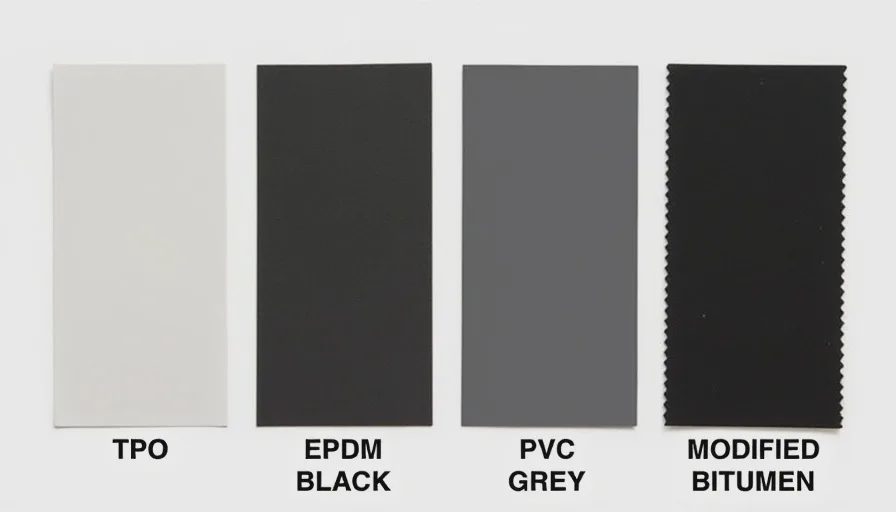
If you're a building owner staring at a roof replacement, you've probably heard alphabet soup thrown at you: TPO, EPDM, PVC, Mod-Bit. Contractors will tell you their preferred system is "the best" – but best for whom? Best for their installation crew? Best for their material supplier's margin? Or best for your building, your climate, and your budget?
Here's the truth: There is no single "best" membrane. Every system has strengths, weaknesses, and specific conditions where it shines – and fails. The key is matching the system to your roof's geometry, your local weather, your maintenance capacity, and your long-term ownership horizon.
This guide gives you the owner-side view – no brand sponsorships, no kickbacks, just field-tested observation from someone who has inspected all four systems at every stage of their life cycle.
Quick Reference Comparison Table
Factor | TPO | EPDM | PVC | Modified Bitumen |
|---|---|---|---|---|
Composition | Thermoplastic polyolefin – single-ply, heat-welded seams | Synthetic rubber (ethylene propylene diene monomer) – single-ply, adhesive or tape seams | Polyvinyl chloride – single-ply, heat-welded seams, plasticized | Asphalt-modified with polymers – multi-ply or torch/self-adhered, lap seams |
Typical Design Life | 15–20 years | 20–25 years | 20+ years | 15–20 years |
Relative Cost (1=lowest) | 1–2 (affordable) | 1–2 (affordable) | 3–4 (premium) | 2–3 (mid-range) |
Best Climate | Hot, sunny (reflective) | Cold, freeze-thaw (flexible) | Chemical-exposure, high-wind | All climates, especially where torch-applied is allowed |
Repairability | Moderate – heat-welded patches, but aging seams can be tricky | Excellent – splice tape and liquid adhesives bond easily | Moderate – welding requires clean surfaces; aging plasticizer loss makes welding difficult | Good – torch or cold-patch over modified base, though multi-ply patching is labor-intensive |
Common Failure Mode | Seam splitting (heat-welded seams become brittle with age); shrinkage at penetrations | Shrinkage around edges and penetrations; seam adhesive failure after 12–15 years | Plasticizer migration – membrane becomes brittle and cracks; chemical degradation from incompatible cleaners | Alligatoring / oxidation of asphalt surface; blistering from moisture trapped in felts |
Ponding Water Tolerance | Fair – but prolonged ponding accelerates seam degradation | Good – EPDM is flexible and handles standing water better than TPO | Excellent – PVC is inherently watertight and resistant to biological growth from ponding | Good – built-up layers tolerate ponding, but surface oxidation accelerates |
Energy / Reflectivity | Excellent – white TPO has high solar reflectivity (cool roof ratings) | Poor unless coated – black EPDM absorbs heat; white EPDM available but less common | Good – white PVC reflects well, though less than TPO initially | Poor to fair – dark surface unless coated with reflective white coating (which adds cost) |
Deep Dive: Each System, Unfiltered
TPO (Thermoplastic Polyolefin)
What it is: A single-ply membrane that is heat-welded at seams. It's the most popular commercial roofing system in the U.S. right now – largely because it's cost-effective and energy-efficient.
Where it works well:
New construction and re-roofing with good access
Buildings with large open roof areas and few penetrations
Hot climates with high cooling loads (white TPO reduces cooling costs 10–15%)
Projects where speed matters – installation is fast
Where it struggles:
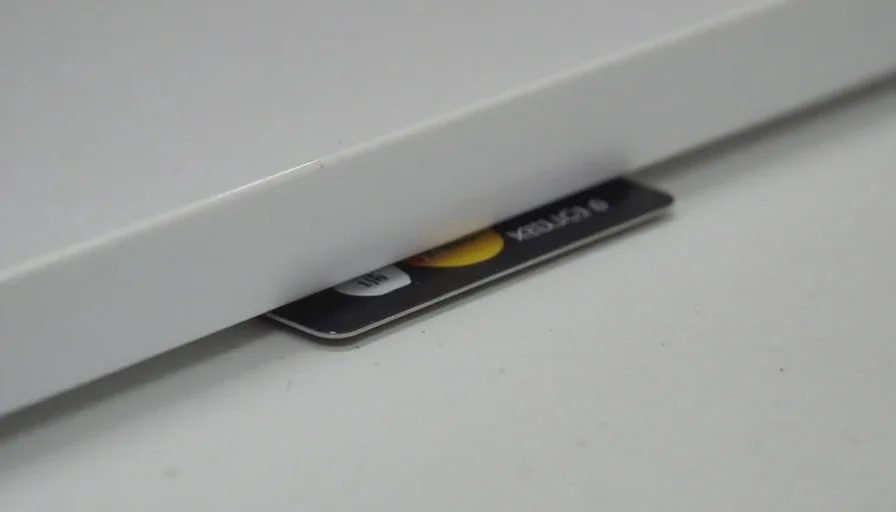
Seam integrity after 10–12 years – the heat-welded seams can become brittle due to loss of plasticizers and exposure to UV. I've seen TPO roofs that looked fine from 50 feet but had seam splits you could slide a credit card through.
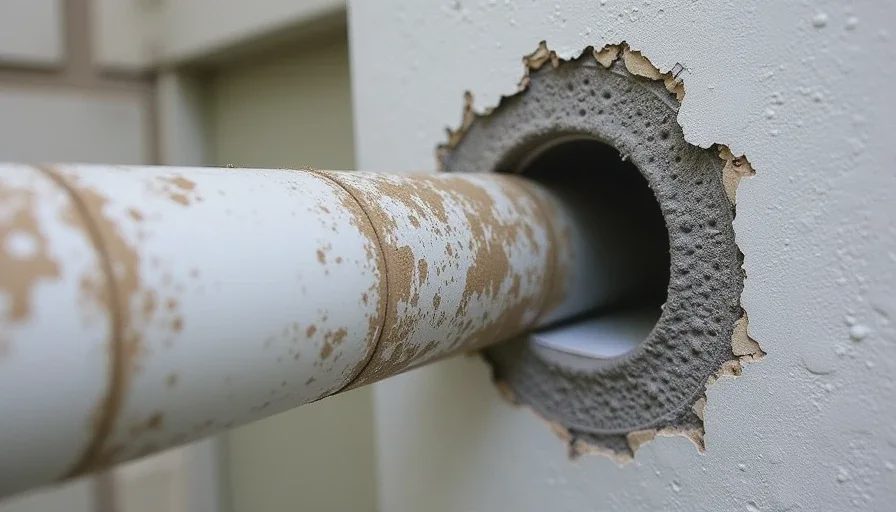
Penetration detail complexity – every pipe, curb, and vent needs a proper welded boot. Rushed installations often skimp here, and that's where leaks start.
Cold-weather installation – TPO becomes stiff in freezing temperatures; welding quality drops if crews don't use proper pre-heating.
Owner's takeaway:
TPO is a solid value choice if you need a reflective roof, have a relatively simple roof geometry, and you're planning to hold the building for 10–15 years. But don't buy the cheapest TPO – the membrane thickness (45 mil vs 60 mil vs 80 mil) matters significantly for durability. And insist on third-party seam adhesion testing before you sign off.
EPDM (Ethylene Propylene Diene Monomer)
What it is: A synthetic rubber membrane that comes in large sheets, adhered with contact adhesive or tape at seams. It's been around since the 1960s – the old reliable workhorse.
Where it works well:
Cold climates with frequent freeze-thaw cycles – EPDM stays flexible at low temperatures
Roofs with many penetrations and complex details – adhesive seams are forgiving on irregular surfaces
Buildings where ponding is unavoidable (some ponding is acceptable without rapid degradation)
Projects where a ballasted (gravel-covered) system is desired – EPDM is the most common ballasted membrane
Where it struggles:
UV resistance – black EPDM absorbs heat, leading to higher cooling costs. It also degrades faster in intense sun. White EPDM exists but is less widely available and more expensive.
Shrinkage – EPDM can shrink 1–2% over its life, pulling away from edges, drains, and penetrations. I've seen 20-year-old EPDM that had pulled back 3–4 inches from parapet walls.
Seam longevity – the adhesive seams tend to fail after 12–15 years, especially if the surface wasn't perfectly clean during installation. Once seams fail, repair becomes a patchwork affair.
Owner's takeaway:
EPDM is the durability king in harsh northern climates. If you're in Minnesota, Michigan, or the Northeast, EPDM has a proven track record. But factor in cooling energy costs – and consider a white reflective coating applied after installation to offset the heat absorption. Also, ask about the seam adhesive warranty separately from the membrane warranty – many failures are seam-related, not membrane-related.
PVC (Polyvinyl Chloride)
What it is: A single-ply thermoplastic membrane with added plasticizers for flexibility. Heat-welded at seams, similar to TPO but with a chemical composition that resists oils, greases, and chemicals.
Where it works well:
Buildings with chemical exposure – restaurants with kitchen exhaust, industrial facilities with oils, automotive repair shops
Roofs with high wind uplift requirements – PVC's seam strength and membrane thickness make it a top choice for hurricane zones
Projects where ponding water is a persistent design challenge – PVC handles standing water better than TPO
Buildings where long-term warranty is a priority – many PVC systems offer 20+ year warranties with strong manufacturer backing
Where it struggles:
Cost – PVC is typically 20–40% more expensive than TPO or EPDM
Plasticizer loss over time – the chemical that makes PVC flexible gradually migrates out, especially in hot climates. After 15–18 years, the membrane becomes brittle and prone to cracking, even without physical damage.
Chemical sensitivity – certain solvents and cleaners (used by HVAC technicians or graffiti removers) can dissolve PVC. I've seen leaks start exactly where someone spilled a cleaning agent.
Limited installers – not all roofing contractors are equally skilled at PVC welding; poor welds are a major failure source.
Owner's takeaway:
Choose PVC if you have chemical risks on your roof (exhaust, grease, industrial fumes) or you're in a high-wind region and need the uplift performance. Otherwise, the premium cost is hard to justify over TPO for standard office or warehouse roofs. And be very careful about who installs it – a cheap PVC installation is worse than a premium TPO installation.
Modified Bitumen (Mod-Bit)
What it is: An asphalt-based membrane reinforced with polyester or fiberglass, modified with polymers (APP or SBS) for improved flexibility. Usually installed in two or three plies, with torch-applied, cold-adhesive, or self-adhered laps.
Where it works well:
Repairs and re-covers over existing built-up roofs – Mod-Bit adheres well to old asphalt surfaces
Roofs with irregular shapes or numerous penetrations – the multi-ply system conforms better than rigid single-plies
Buildings where torch application is allowed – in many jurisdictions, torch-down Mod-Bit is still a go-to for its durability and watertightness
Projects with moderate budgets and a need for a robust, puncture-resistant surface (especially with a granular cap sheet)
Where it struggles:
Installation defects – torch-applied systems depend heavily on installer skill. Overheating burns the asphalt; underheating creates cold joints. Both lead to leaks.
Weight – Mod-Bit systems are heavier than single-plies, requiring structural verification on older buildings.
Surface degradation – the asphalt top surface oxidizes and alligators over time, requiring periodic coatings (about every 5–7 years) to maintain waterproofing.
Fire risk – torch application carries real fire hazards; many insurance companies now restrict or prohibit torch-down on occupied buildings.
Owner's takeaway:
Modified bitumen is the tried-and-true workhorse of commercial roofing, especially on older buildings with existing asphalt-based roofs. It's a solid choice if you have an experienced installer and local fire codes allow torch work. But budget for periodic surface coatings to extend life – and if you're on a wood deck or occupied building, ask about cold-applied or self-adhered Mod-Bit to eliminate fire risk.
The "Hidden" Decision Factors Most Owners Ignore
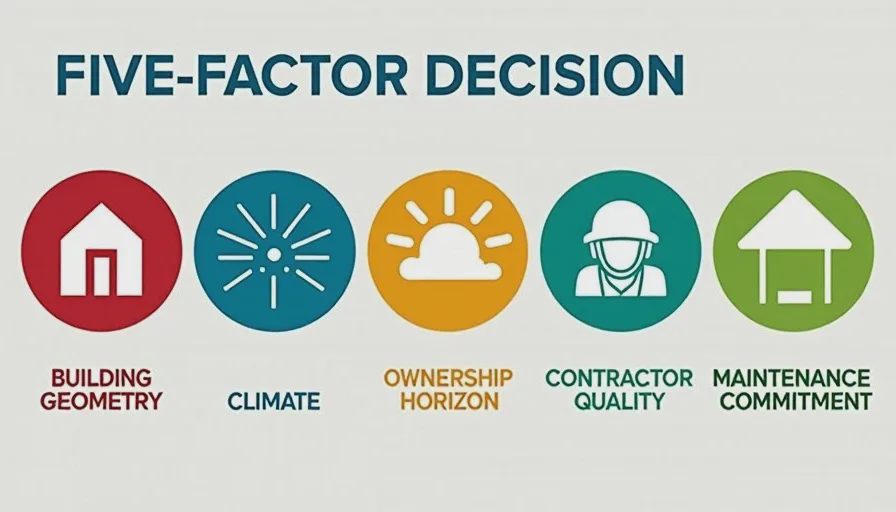
Beyond the membrane itself, three factors often make or break the long-term success of your choice:
1. Installation Quality Over Material
A premium PVC installed by a rushed crew will fail faster than a mid-range TPO installed by a meticulous crew. Ask for references from projects completed 5+ years ago – not just recent jobs. Check seam adhesion with a probe or pull-test before final payment.
2. Climate-Specific Performance
Hot, sunny climates (Southwest, Texas, Florida): White TPO or PVC (reflective) – but pay extra attention to seam longevity in high UV.
Cold, snowy climates (Northeast, Midwest): EPDM or SBS-modified bitumen – both remain flexible in sub-zero temperatures.
Marine / humid coastal zones: PVC (resists salt, chemicals) or high-quality TPO with strong seam adhesion.
3. Maintenance Commitment
Low-maintenance buildings (tenant-occupied, minimal staff): Choose EPDM or PVC – both tolerate ponding and require less frequent surface treatments.
Buildings with dedicated maintenance teams: Mod-Bit or TPO are fine, but you need to commit to annual inspections and prompt repairs of minor issues before they escalate.
Cost Reality Check
Here's what you can expect (roughly – material prices fluctuate):
System | Typical Installed Cost (per sq ft, as of 2025) | 20-Year Total Cost of Ownership (including 2–3 repairs) |
|---|---|---|
TPO (60 mil) | $8 – $12 | $10 – $16 (assuming some seam repairs around year 12–15) |
EPDM (60 mil) | $8 – $13 | $10 – $15 (seam repairs typical after 12 years; may need reflective coating at year 10) |
PVC (60 mil) | $12 – $18 | $14 – $20 (lower repair frequency, but higher upfront) |
Modified Bitumen (2-ply + cap) | $9 – $14 | $12 – $19 (coating applications every 5–7 years add significant cost) |
The takeaway: The cheapest system upfront is rarely the cheapest over 20 years. Conversely, the most expensive system doesn't guarantee the best ROI. Match the system to your expected ownership period – if you're selling in 5 years, a high-end PVC may be overkill.
Your Decision Roadmap
Assess your building's roof geometry, penetrations, and ponding areas.
Evaluate your climate and the roof's exposure to chemicals, wind, and UV.
Estimate your ownership horizon – 5 years, 10 years, or 20+ years?
Get at least three proposals – ideally one for each system type, or at least TPO vs EPDM vs Mod-Bit, with PVC as an option if you have chemical exposure.
Compare the whole scope – not just the membrane price, but also insulation replacement, edge metal, drains, flashings, and warranty coverage.
Let SelectHomeQuote Help You Compare Real Proposals
You now have the knowledge to speak the same language as contractors. The next step is getting actual, site-specific proposals from professionals who work on commercial flat roofs in your area.
SelectHomeQuote makes that process simple, transparent, and obligation-free:
Enter your ZIP code and project type
Get matched with 3–4 pre-screened commercial roofing contractors
Receive detailed quotes – including system options, insulation specs, warranties, and timeline
Compare side-by-side without sales pressure
We partner with SelectHomeQuote because they prioritize owner education and quote transparency – exactly what this site stands for.
Get your free commercial roof quotes today:
➡ Enter your ZIP code on SelectHomeQuote – and start making the right system choice with real numbers in front of you.
Keep Reading
Quartz vs quartzite: A Practical Countertop Comparison
Quartz vs quartzite: compare durability, cost, maintenance, appearance, and inst...
Stair Treads for Commercial Roof Access: A Practical Safety Guide
Stair treads can reduce slip risk on commercial access stairs. Compare materials...

Loft House Roofing: A Practical Guide to Roof Repairs and Replacement
Loft house roof guidance for owners: spot drainage, flashing, insulation, and me...
Owner Letters
0 lettersNo letters yet — be the first to write one.