
Can a Roof Coating Extend Life – or Are You Coating Over a Deeper Problem?
Roof coatings are big business. Fluid-applied acrylics, silicones, urethanes – they promise to turn an aging, weathered roof into a watertight, reflective asset for another 10–15 years at a fraction of the cost of full replacement.
And sometimes, they deliver exactly that.
But sometimes, they're just a shiny Band‑Aid on a wound that needs stitches. Coatings can trap moisture, hide spreading deterioration, and delay the inevitable – while costing you tens of thousands of dollars that would have been better spent on a strategic replacement.
The difference between a smart coating application and an expensive mistake comes down to one question: Are you coating a fundamentally sound roof, or are you coating over a problem that will keep growing underneath?
Here's how to make that call – with the evidence, not the marketing brochure.
What a Roof Coating Actually Does – and Doesn't Do
Let's start with a clear-eyed reality check:
What a Coating Does Well | What a Coating Does NOT Do |
|---|---|
Seals minor surface cracks and weathering | Does not repair structural damage to the deck |
Restores reflectivity and reduces cooling costs | Does not fix ponding water issues – it can actually worsen them by creating a smoother surface that slows drainage |
Provides a uniform, seamless top layer that bridges small seam gaps | Does not re‑bond failed seams – if the seam is open, coating over it will crack again quickly |
Protects the existing membrane from further UV degradation | Does not replace the insulation's R‑value – wet insulation stays wet under the coating |
Adds a few years of life to a roof that is otherwise sound | Does not reset the clock on a roof that is at the end of its structural life |
The bottom line: A coating is a surface restoration – not a structural rescue. If the problems go deeper than the top millimeter of the membrane, you're wasting money.
The 5‑Question Test – Is Your Roof a Good Coating Candidate?
Before you even get a quote, ask yourself these five questions honestly:
Question 1: Is the membrane still intact and well‑adhered?
Check: Are there large blisters, tears, or areas where the membrane has pulled away from the substrate? Can you easily lift the membrane with a knife at suspect spots?
Pass (good candidate): The membrane is fully adhered, no blisters larger than 1 sq ft, no widespread delamination.
Fail (bad candidate): More than 5 blisters over 2 sq ft each, or any area where the membrane has separated from the insulation. Coatings cannot re‑bond a loose membrane – they simply sit on top and will crack when the underlying material moves.
Question 2: Is the roof free of active leaks?
Check: Have you had any ceiling stains or active dripping in the last 12 months? If yes, have you identified and fixed the root cause?
Pass: No leaks in the past year, or any leaks were minor flashings that have been properly repaired.
Fail: You've had multiple leaks, especially in different zones, or you've patched the same area more than twice. Coatings are not leak repair – they are waterproofing enhancement. If you have active leakage, you have to fix the leak first, and if you can't find the source because it's widespread, coating is not the answer.
Question 3: Is the insulation dry (verified by testing)?
Check: Have you had a moisture survey (infrared, nuclear, or core cuts) in the last 12 months? What percentage of the roof area is wet?
Pass: < 15% of insulation is wet, and wet areas are localized and repairable.
Fail: > 25% wet, or moisture is widespread and cannot be pinpointed to a single area. Coating over wet insulation traps moisture, accelerates rot and corrosion, and eventually causes the coating to blister and fail. You will have wasted the coating cost and still need to replace the insulation later.
Question 4: Does the roof have positive drainage (or can it be corrected)?
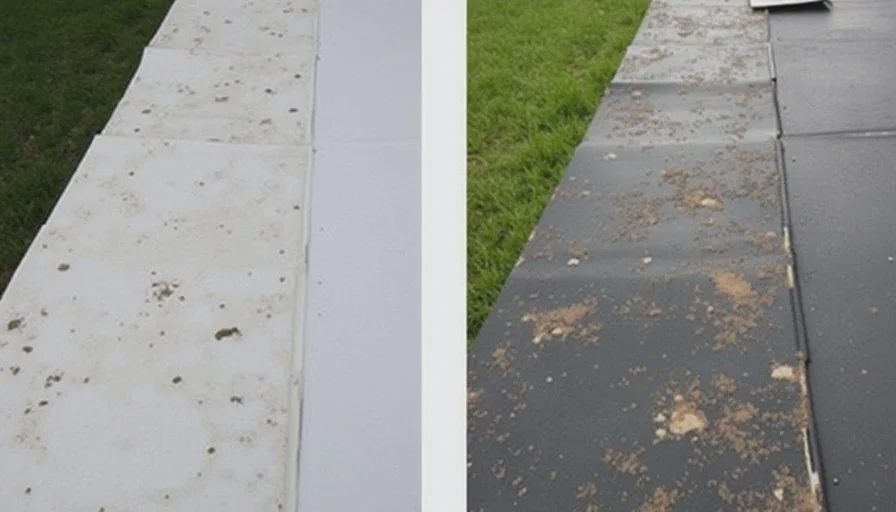
Check: Does water drain off the roof within 48 hours? Are there any ponding areas deeper than ½ inch?
Pass: No significant ponding, or ponding is minimal (< ¼ inch) and drains within 24 hours.
Fail: Recurring ponding > ½ inch deep that lasts > 48 hours. Coatings do not fix slope. In fact, they can make ponding worse because they add a smooth surface that slows water flow. If you apply a coating to a ponding roof, you'll just have a beautiful, reflective pond – and the water will degrade the coating faster than it would have degraded the original membrane.
Question 5: Is the remaining service life of the underlying membrane at least 5–10 years?
Check: Based on the roof's age and current condition (not wishes), does it have enough structural integrity to support a coating for 5+ years?
Pass: The roof is 12–18 years old (for TPO/EPDM) or 10–15 years old (for mod‑bit), with only surface weathering – seams are sound, flashings are intact.
Fail: The roof is > 20 years old (for most single‑plies) or > 18 years (for mod‑bit), with visible alligatoring, seam failures, or widespread patching. You are not "extending" life – you are coating a corpse. The coating may last 3–5 years, but the roof underneath will continue to fail, and you'll have spent $30,000 on a temporary cover that complicates your eventual tear‑off.
The Three Tiers of Coating Readiness
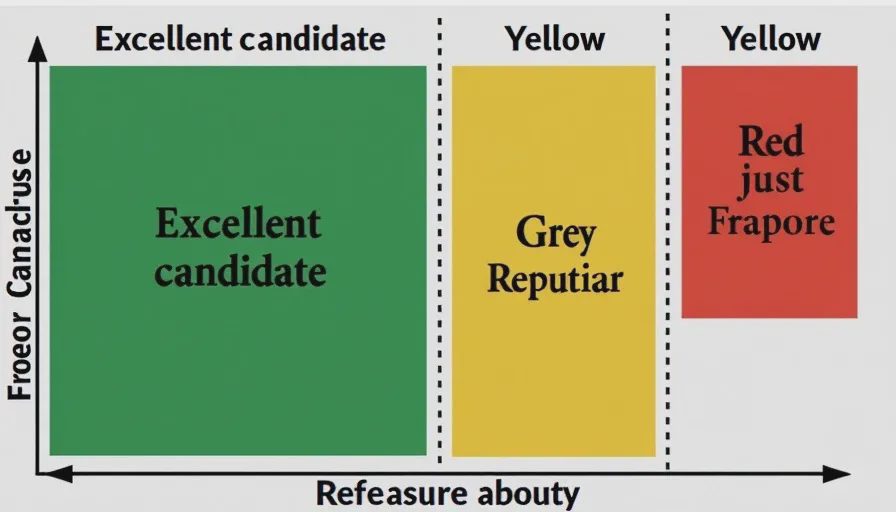
Based on those five questions, your roof falls into one of three tiers:
Tier A: Excellent Candidate – Coating Makes Sense
All five questions pass
Roof age: 5–15 years (plenty of substrate life)
Minor surface cracks, chalking, or granule loss
No active leaks, no wet insulation, no ponding
Expected coating life: 10–15 years
Cost/benefit: Excellent – you get a new‑roof reflectivity and waterproofing for 20–30% of replacement cost.
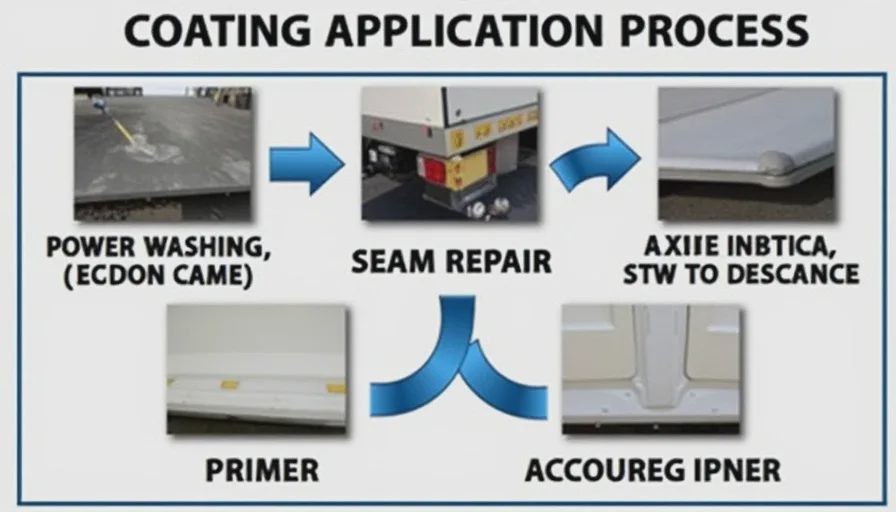
Action: Proceed with coating – but still invest in a professional inspection and a thorough surface preparation (power washing, seam reinforcement if needed).
Tier B: Gray Zone – Coating Possible, but with Significant Prep Work
Some questions pass, some fail – e.g., a few wet spots (< 15%) that can be cut out and replaced, or minor ponding that can be corrected with tapered insulation before coating
Roof age: 15–20 years – borderline, but some life remains
Some seam lifting or minor blistering – repairable before coating
Expected coating life: 5–10 years (with prep)
Cost/benefit: Moderate – you'll spend extra on prep, and the coating won't last as long as on a Tier A roof, but it may still be cheaper than full replacement.
Action: Budget for mandatory prep: moisture removal, seam repairs, drain improvements, and sometimes a base coat or primer. Get a detailed scope that separates prep from coating application – and don't skip prep to save money.
Tier C: Poor Candidate – Coating Is a Waste of Money
Major failures: widespread wet insulation (> 25%), multiple active leaks, severe ponding, extensive seam failure, membrane embrittlement or delamination
Roof age > 20 years (or > 18 for mod‑bit) with obvious systemic deterioration
Expected coating life: 2–5 years (optimistic) – and it may fail in the first year if hidden issues surface
Cost/benefit: Poor – you'll spend 30–50% of a replacement cost, get a few years of marginal benefit, and then still pay for a full tear‑off (which will be more expensive because the coating must be removed or ground off).
Action: Do not coat. Put that money toward a strategic replacement. Use the coating budget as a down payment on a new roof that solves all the underlying issues.
The Hidden Trap: What Coatings Hide from You
This is the most important point – and the one coatings sales reps rarely mention:
A coating is opaque. Once applied, you can no longer see what's happening underneath.
If the underlying membrane continues to degrade – and it will, because aging is not stopped by a surface layer – you won't know it until the coating itself fails dramatically. By then, the deck may be rusted, insulation may be saturated, and your options will be more limited.
Real‑world example: I inspected a retail building where the owner applied a silicone coating to a 22‑year‑old EPDM roof. He was told it would give him 12 more years. At year 4, the coating started peeling in large sheets. When we removed it, we found:
The EPDM had shrunk and pulled away from parapet walls
Seams that had been "re‑bonded" had actually failed underneath
Insulation under the coating was 35% wet – the moisture had been trapped, accelerating deck corrosion
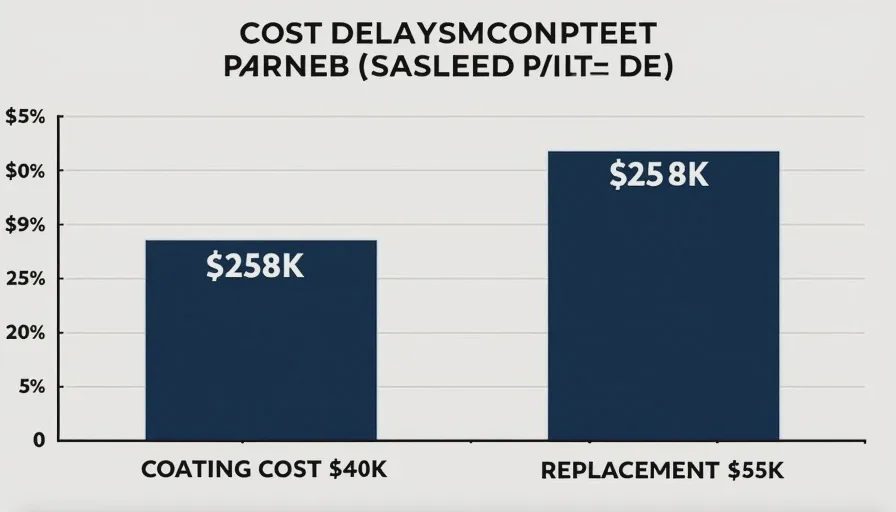
The coating had cost $28,000. The new tear‑off cost $55,000. Total cost: $83,000 – instead of $55,000 if he had replaced at year 0.
A coating is not a magic reset. It's a bet that the underlying roof has enough life left to make the investment worthwhile. If you lose that bet, you lose twice.
What a Good Coating Proposal Should Include
If you decide to proceed with a coating, insist on this level of detail in the proposal:
Surface preparation scope – power washing, repairs of all membrane defects, replacement of wet insulation (with location), re‑bonding of seams, correction of any flashing issues
Primer – is a primer required for adhesion? This is not optional for many systems.
Coating thickness (mil) – measured after drying, not wet. Minimum 20–30 mils for acrylic, 20–25 mils for silicone. Thinner coatings are just paint.
Warranty – not just material warranty, but a labor warranty that covers adhesion and water‑tightness for at least 5–10 years.
Moisture survey – before and after – to confirm insulation is dry before coating.
The Alternative: When to Skip Coating and Replace
Here are clear signals that replacement is the better financial decision:
The roof is more than 80% through its expected service life – e.g., a 20‑year roof at year 18. Even with coating, you're buying at most 5 extra years, but you'll pay 30–40% of replacement cost. It's often better to replace and reset the clock for a full 20 years.
Ponding is structural – if the slope is wrong at the deck level, no amount of coating or tapered overlay will fully solve it. A new roof with proper slope is the only permanent fix.
Multiple membrane failure modes – surface cracking, seam failure, and flashing deterioration all present at the same time. Coatings address only surface issues; they don't fix seams or flashings structurally.
You've had 5+ repairs in the last 3 years – you're chasing problems. The coating won't stop that pattern; it will just make the next failure harder to find.
High‑value assets are at risk – if your building houses data centers, medical equipment, or high‑value inventory, the risk of a hidden failure under a coating is unacceptable. Replace proactively.
Your Decision Checklist – Print This
Question | Yes | No | Unsure |
|---|---|---|---|
Membrane fully adhered with no blisters/tears? | ☐ | ☐ | ☐ |
No active leaks in the last 12 months? | ☐ | ☐ | ☐ |
Moisture survey shows < 15% wet insulation? | ☐ | ☐ | ☐ |
No ponding > ½ inch for > 48 hours? | ☐ | ☐ | ☐ |
Roof is < 80% through its expected life? | ☐ | ☐ | ☐ |
If 4–5 Yes answers: Coating is a strong candidate. Proceed with detailed scope.
If 2–3 Yes answers: You're in the gray zone – get a second opinion and budget for significant prep.
If 0–1 Yes answers: Do not coat. Plan for replacement.
Keep Reading

Home Additions: How to Protect the Existing Commercial Roof
Home additions can create new roof leak paths. Learn how to plan tie-ins, draina...
$200 Window Attic Renovation: What That Budget Really Covers
$200 window attic renovation is rarely a complete fix. Learn what that budget ca...
Commercial Roof Repair vs Replacement: A Practical Decision Framework
Owner Letters
0 lettersNo letters yet — be the first to write one.